 Baking Great Bread at Home
Savory Artisan Loaf with Roasted Garlic and Aged Parmesan
IntermediateRosemary Garlic ParmesanLoaf
by Henry
A loaf that smells so good while baking, your neighbors might knock on the door.
Fermentation
2-3 hours
Bake Time
35-40 min
Yield
One 2-lb artisan loaf

Perfection is not required
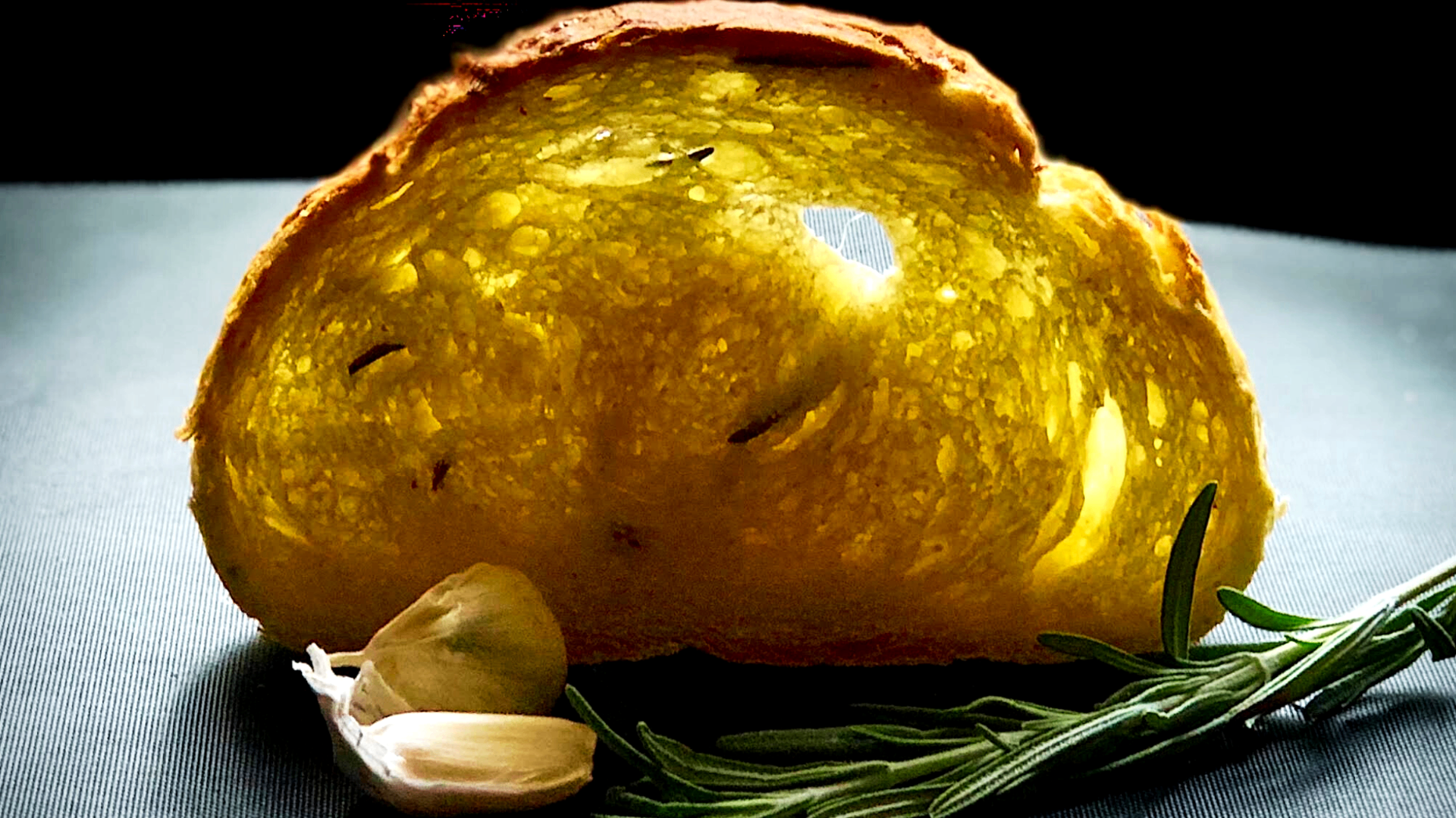
"When the scent of rosemary, roasted garlic, and aged Parmesan wafted through the market, people couldn't resist."— Henry
By Henry Hunter Jr., founder of Crust & Crumb Academy and Baking Great Bread at Home.
Authentic Flavor
This bread was one of my best sellers at farmers' markets. The aroma alone sold loaves before customers even tasted them. That combination of savory, herbal, and umami hits something primal in us.
Equipment Needed
Ingredients
Roasted Garlic
Dough
Inclusions
Pro Tip
Room temperature cheese folds in more smoothly than cold cheese. Cube or shred into pieces no larger than ½ inch for even distribution.
Step 1
Roast the Garlic
Roasting transforms raw garlic from pungent and yeast-killing to sweet, mellow, and safe for fermentation.
Click each step to mark complete
Preheat Oven
Preheat your oven to 400°F (200°C).
Prepare Garlic
Slice the top off a whole head of garlic to expose the cloves.
Oil and Wrap
Place on foil, drizzle with olive oil, and wrap tightly.
Roast
Roast for 40 minutes until cloves are golden and soft.
Mash
Let cool, then squeeze out the cloves and mash into a paste. This can be done up to 3 days ahead.
Pro Tip
Heat destroys allicin, the compound that kills yeast. Never add raw garlic to bread dough—it will inhibit fermentation.
Precise Timers
Use these interactive timers to track your stages.
Roast Garlic
Step 2
Mix the Dough
Combine the basic ingredients and let the flour hydrate while fermentation begins.
Click each step to mark complete
Combine Ingredients
Add flour, water, salt, and yeast to a large bowl. Mix until no dry flour remains. The dough will be shaggy and slightly sticky.
Fermentolyse
Cover and let rest for 30 minutes. This allows the flour to hydrate while fermentation begins.
Precise Timers
Use these interactive timers to track your stages.
Fermentolyse
Step 3
Stretch and Fold with Inclusions
Add inclusions during the first fold, then strengthen the dough with additional folds.
Click each step to mark complete
First Fold (Add Inclusions)
Spread the mashed roasted garlic, chopped rosemary, and Parmesan over the dough. Stretch one side up and fold over the center. Rotate the bowl 90 degrees and repeat from all four sides, tucking inclusions in as you go. Cover and rest 30 minutes.
Second Fold
Repeat the stretch and fold without adding anything. The dough should feel stronger. Cover and rest 30 minutes.
Third Fold
One final round of stretches and folds. The dough should pass the , stretching thin without tearing. Cover and rest 30 minutes.
Pro Tip
Never add inclusions at the start of mixing. Cheese coats gluten strands, fresh herbs release moisture, and garlic can inhibit fermentation. Add them during the first fold when gluten has developed.
Precise Timers
Use these interactive timers to track your stages.
Rest After 1st Fold
Rest After 2nd Fold
Rest After 3rd Fold
Step 4
Bulk Fermentation
Let the dough rise until nearly doubled in size.
Click each step to mark complete
Ferment
Let the dough rise at room temperature (around 75°F/24°C) for 1 to 1.5 hours, or until it has nearly doubled in size and looks puffy and alive.
Optional Cold Ferment
For deeper flavor, cover tightly and refrigerate for 2 to 48 hours. The longer it sits, the more complex the taste.
Precise Timers
Use these interactive timers to track your stages.
Bulk Ferment
Shaping
Shape the Loaf
Create a tight boule for optimal rise and structure.
Boule (Round Loaf)
RecommendedClick each step to mark complete
Turn Out
Turn the dough onto a lightly floured surface. Gently stretch into a rectangle, releasing large gas bubbles.
Pre-shape
Fold the dough in thirds like a letter, then roll into a ball, tucking the seams underneath.
Bench Rest
Let rest 15-20 minutes (bench rest).
Final Shape
Flip the dough, stretch gently into a square, fold the top third down, fold the bottom third up, then roll toward you to create tension.
Place in Banneton
Place seam-side up in a floured or a bowl lined with a floured towel.
Proof
Cover and proof 45 minutes to 1 hour at room temperature, or overnight in the refrigerator.
Proof Test: Use the : press gently with a floured finger. The dough is ready when the indentation springs back slowly but not all the way.
The Final Step
Bake to Perfection
A hot Dutch oven creates steam for a crispy crust.
Baking Methods
The enclosed environment creates steam for a crispy crust.
Equipment: {{Dutch oven}}
Preheat
Place a in the oven and preheat to 475°F (245°C) for at least 30-45 minutes.
Score
Turn the dough out onto parchment paper. Score the top with a or sharp knife.
Bake Covered
Lower into the hot Dutch oven, cover, and bake 22-25 minutes.
Bake Uncovered
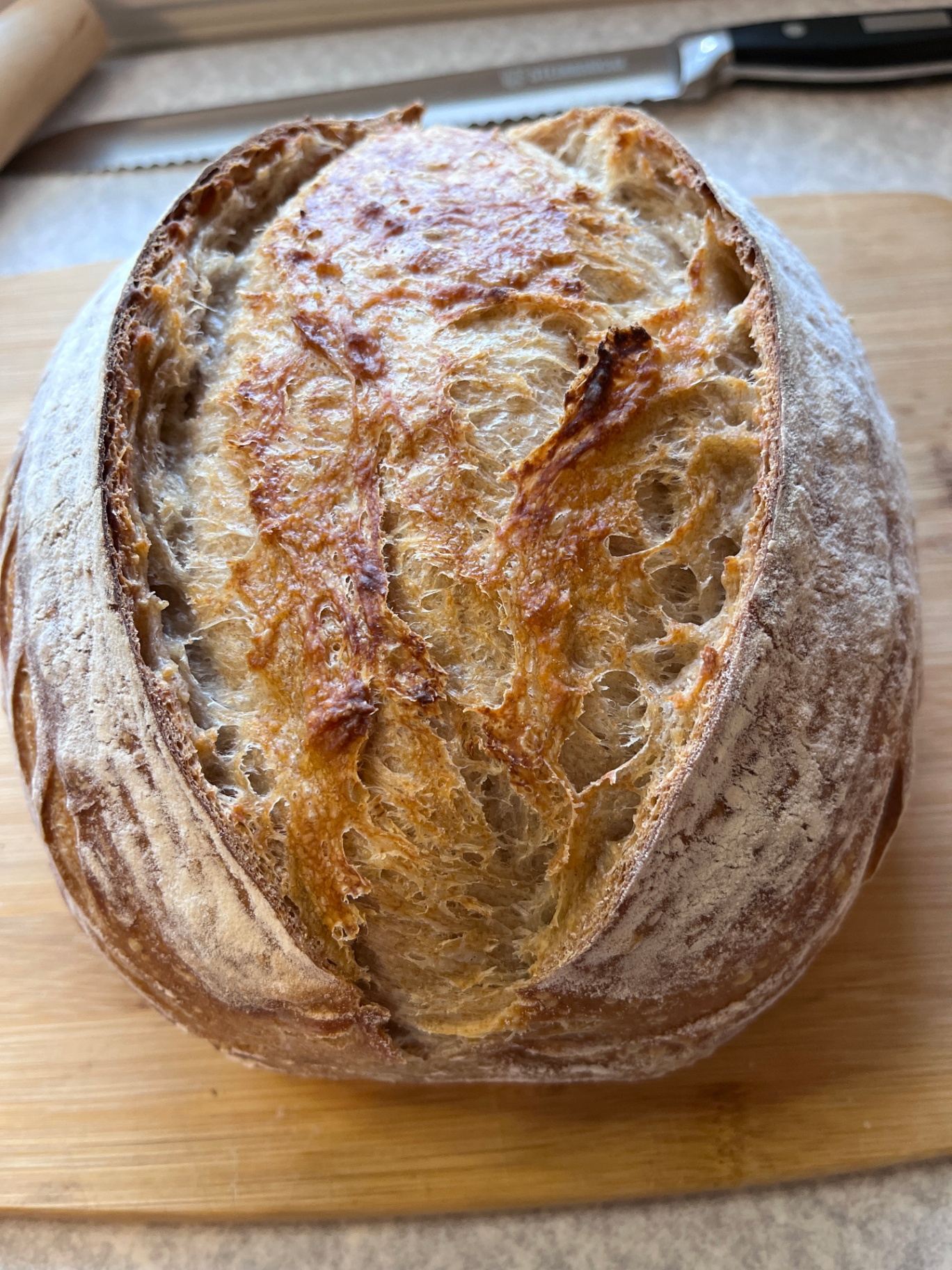
Remove the lid and continue baking 12-20 minutes until deeply golden brown or deep mahogany.
Cool
Internal temperature should reach 205°F (96°C). Cool on a rack at least 1 hour before slicing.
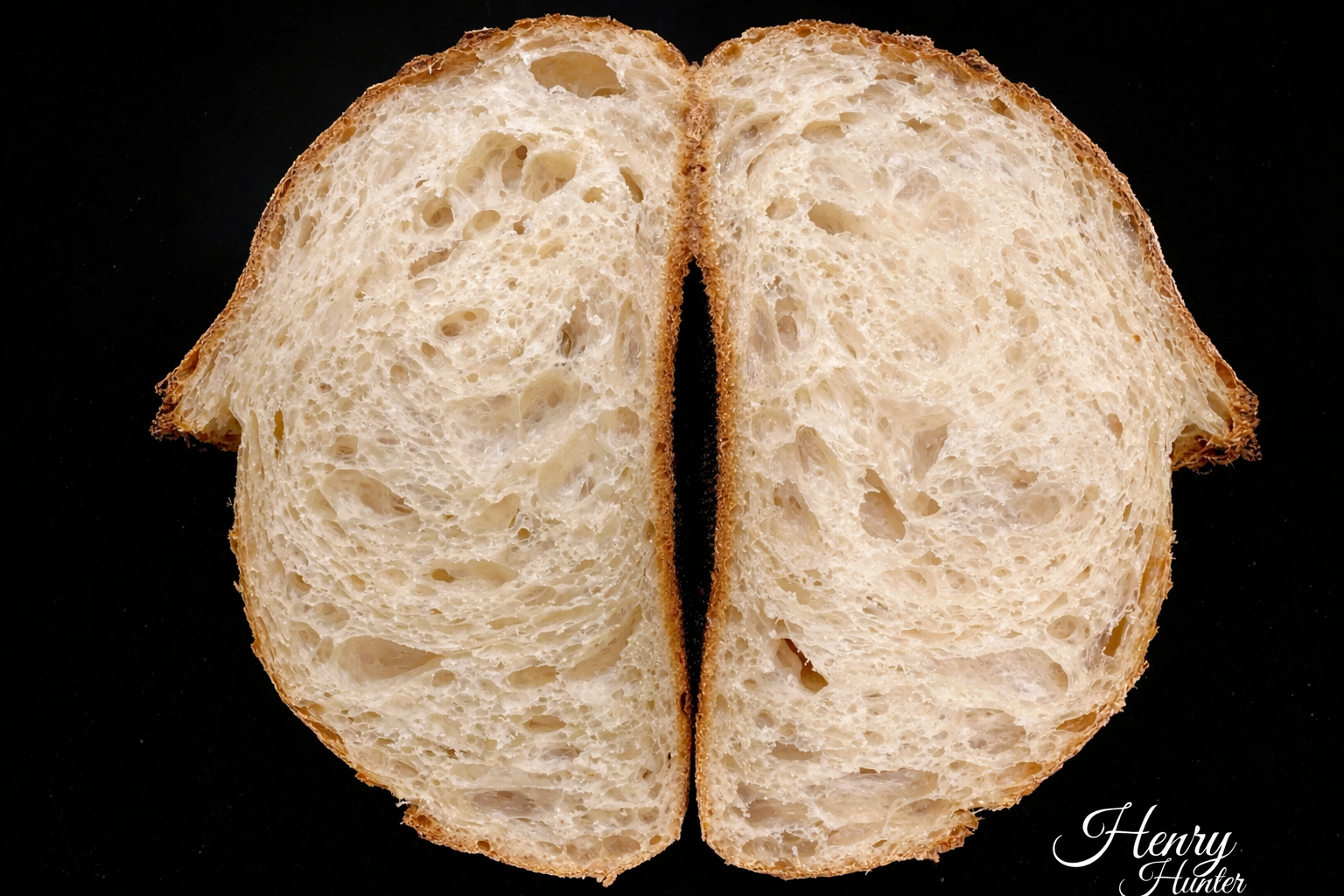
"The cheese creates beautiful golden spots and the rosemary infuses the entire loaf with fragrance."
Nutrition Facts
Per 1 slice • 16 servings per recipe
* Values are estimates based on standard ingredients
Storage
Room Temperature
Store cut-side down on a cutting board or in a paper bag for up to 3 days.
Frozen
Slice and freeze in a sealed bag for up to 3 months. Toast directly from frozen.
💡 Warm slices in a 350°F (175°C) oven for 5 minutes to refresh the crust.
Your Feedback
Rate This Recipe
Loading ratings...
Troubleshooting
Baker's Notes
Common questions and solutions for perfect results
If you're serious about scoring, you need the right blade in your hand. Wire Monkey makes handcrafted bread lames from black walnut — built to last, balanced in the hand, and sharp enough to glide through cold dough cleanly every single time. No dragging, no hesitation marks. Just a clean cut.
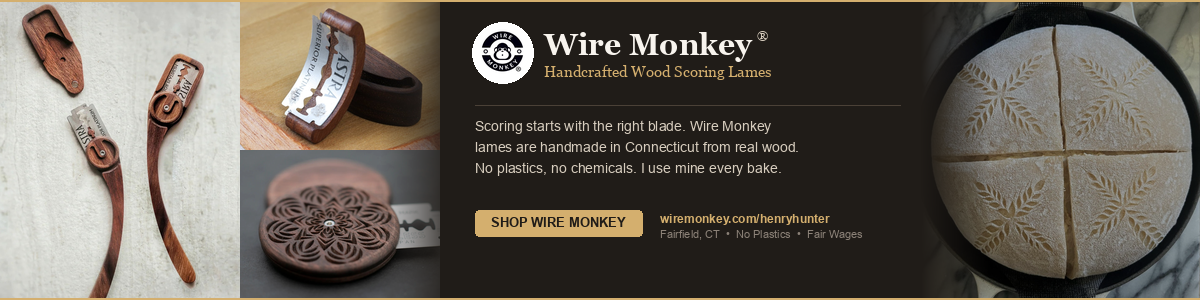
Wire Monkey Handcrafted Bread Lames
You Might Also Enjoy
More recipes from our pantry that pair well with this bake.

Get More Recipes in Your Inbox
Join thousands of home bakers receiving weekly recipes, tips, and techniques to elevate your bread game.
No spam, ever. Unsubscribe anytime.
More from Baking Great Bread at Home
Tools, resources, and community to help you bake better bread

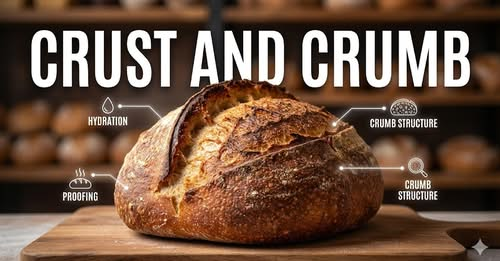
Crust & Crumb Academy
Go deeper into your craft. FREE courses, challenges, and real feedback. No gatekeeping. Perfection is not required.
Sourdough Starter Companion
Your AI-powered starter assistant. Track feedings, troubleshoot issues, and keep your starter thriving.

BakingGreatBread.com
Real bread for the rest of us

Baking Great Bread Blog
Recipes, tips, and stories from the bread journey
Recipe Converter
Convert sourdough recipes to yeast and back again
Crust & Crumb App
Your AI-powered baking assistant
Facebook Community
Join 50,000+ bakers sharing, learning, and supporting each other

Sourdough for the Rest of Us
Free beginner's guide to sourdough