 Baking Great Bread at Home
A 7-Day Guide to Your First Sourdough Starter
BeginnerSourdough Starter FromScratch
by Henry Hunter Jr.
Flour, water, and patience. That's all you need.
Fermentation
7-14 days
Bake Time
N/A
Yield
Approximately 200g (about 1 cup) active sourdough starter
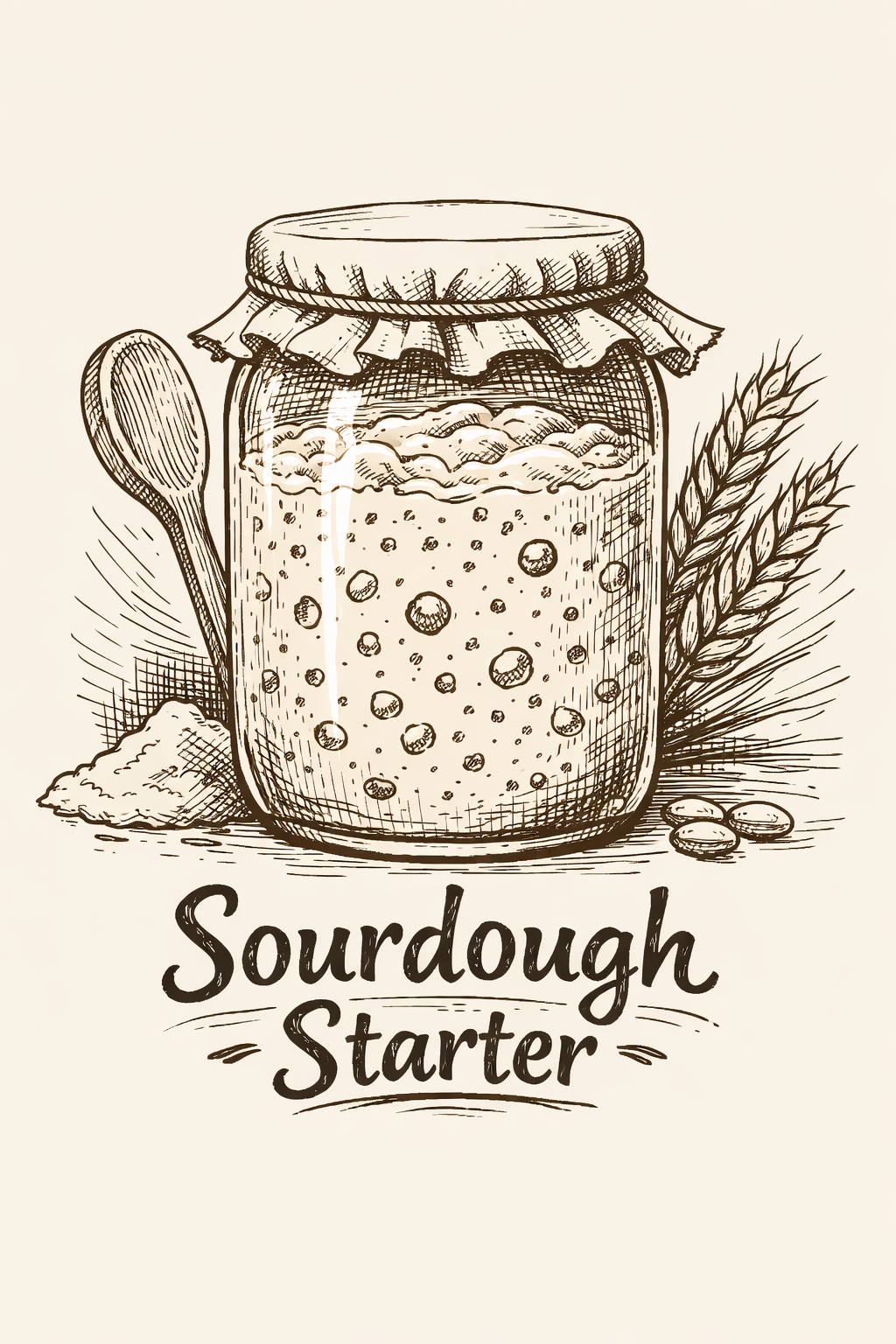

Perfection is not required
"Flour, water, and patience. That's all you need."— Henry Hunter Jr.
By Henry Hunter Jr., founder of Crust & Crumb Academy and Baking Great Bread at Home.
Authentic Flavor
This step-by-step guide walks you through creating a from nothing but flour and water. No special equipment, no purchased cultures. Just seven days of simple feedings and a little trust in the process. By the end, you'll have a living, active starter ready to leaven bread for years to come.
Equipment Needed
Ingredients
Day 1 — Initial Mix
Whole grain gives a head start with more wild yeast
75-80°F (24-27°C)
Days 2-7 — Daily Feeding
75-80°F (24-27°C)
Ongoing Maintenance
Day 1 — The Beginning
You're waking up . That's all this is. Flour already contains everything you need. Adding water activates it.
Click each step to mark complete
Weigh Your Flour
Place your clean jar on the scale. Add 60g whole wheat flour (or rye flour).
Add Water
Pour in 60g lukewarm water (75-80°F / 24-27°C). If you don't have a thermometer, it should feel slightly warm to the touch, like comfortable bath water.
Mix Thoroughly
Stir with a spoon or spatula until no dry flour remains. Scrape down the sides.
Mark the Level
Place a rubber band around the jar at the level of the mixture, or draw a line with a dry-erase marker. This is how you'll track the rise.
Cover and Find a Warm Spot
Cover loosely — the starter needs air exchange, not a sealed environment. Place somewhere with a consistent temperature around 75-80°F (24-27°C). Inside your oven with only the light turned on is the classic trick.
⏱ Wait Time
24 hours
Day 2 — First Check
You might see a few small bubbles. Or nothing at all. Both are normal. Don't panic either way.
Click each step to mark complete
Observe
Look at the jar. You may see some small bubbles on the surface or along the sides. You may see nothing. You may even see a slight rise. All of this is normal.
Discard
Remove and discard all but about 60g (roughly ¼ cup) of starter. Yes, this feels wasteful. It's necessary. Without discarding, the pH balance won't develop properly.
Feed
Add 60g unbleached all-purpose flour and 60g lukewarm water to the remaining starter. Stir until smooth. Scrape down the sides.
Mark and Cover
Move your rubber band to the new mixture level. Cover and return to your warm spot.
⏱ Wait Time
24 hours
Day 3 — The False Rise
Here's where most beginners get fooled. Your starter may have doubled overnight with lots of bubbles. This is NOT a mature starter. This is a bacterial bloom from leuconostoc bacteria. They'll die off in a day or two. Keep feeding.
Click each step to mark complete
Don't Get Excited Yet
If it doubled and looks alive, that's the false rise. If it didn't do much, that's also fine. The actual yeast colonization hasn't started yet.
Discard and Feed
Remove all but 60g of starter. Add 60g all-purpose flour and 60g lukewarm water. Mix, mark, cover, and rest. Same routine.
⏱ Wait Time
24 hours
Days 4-5 — The Quiet Period
This is where people give up. Don't. After the false rise, your starter may go completely flat. No bubbles. No rise. Possibly on top. This is the valley between the bacterial bloom dying off and the real taking hold. Keep feeding. Trust the process.
Click each step to mark complete
Handle Hooch If Present
If you see dark liquid on top (), pour it off for a milder flavor or stir it in for more sourness. Either way is fine. It just means your starter is hungry.
Discard and Feed
Remove all but 60g. Add 60g all-purpose flour and 60g lukewarm water. Mix, mark, cover, rest.
Check Your Temperature
If your kitchen is below 70°F, your starter will be slower. Try the oven-light trick or move it to a warmer spot. If above 80°F, it may need feeding every 12 hours instead of 24.
⏱ Wait Time
24 hours each day
Day 6 — Signs of Life
Around Day 6, you should start seeing consistent bubbles again. Not the explosive false rise from Day 3, but a steady, reliable rise of 25-50% with small bubbles throughout. The smell should be shifting from harsh to pleasantly sour.
Click each step to mark complete
Observe the Rise
Has the starter risen at all since yesterday's feeding? Even a 25% rise with bubbles is a very good sign.
Note the Timing
How long after feeding did it take to peak? This pattern helps you plan baking later.
Discard and Feed
Same routine. 60g starter, 60g flour, 60g water. If your starter is peaking within 8-10 hours, consider switching to twice-daily feedings to accelerate yeast colonization.
⏱ Wait Time
12-24 hours
Day 7 — The Test
By Day 7, a healthy starter should be doubling in size within 4-8 hours of feeding, with visible bubbles throughout and a pleasant, tangy aroma. If not, keep feeding daily and retest. Some starters take 10-14 days.
Click each step to mark complete
Discard and Feed as Usual
60g starter, 60g flour, 60g water. This is your test feeding.
Mark the Level Carefully
This is your test feeding. Mark precisely and check every hour or two. You're looking for the starter to at least double in height.
The Float Test (Optional)
Drop a small spoonful of starter into a glass of room-temperature water. If it floats, it's full of gas and ready to leaven bread. If it sinks, keep feeding for a few more days. NOTE: The isn't perfect. Some active starters are too wet to float. The most reliable test is consistent doubling after feeding.
The Smell Test
A ready starter smells pleasantly sour, like Greek yogurt or mild vinegar, with a yeasty, almost fruity quality. If it still smells like acetone or nail polish, it needs more time.
⏱ Wait Time
4-8 hours
Ongoing Maintenance
Your starter is now alive and ready. How you maintain it depends on how often you bake.
Click each step to mark complete
Weekly Bakers — Fridge Storage
Store the starter in the fridge. Feed once a week: discard all but 50g, add 50g flour and 50g water, let it sit at room temperature for 1-2 hours until you see some bubbles, then return to the fridge. Pull it out 24-48 hours before you plan to bake and feed it 2-3 times to wake it up.
Frequent Bakers — Counter Storage
Keep it on the counter at room temperature. Feed once or twice daily: discard all but 50g, add 50g flour and 50g water. Use it for baking when it's at peak rise (doubled, domed top, lots of bubbles).
Going on Vacation
Feed your starter, then stick it in the fridge for up to 2 weeks without feeding. When you return, discard most of it, feed it, and give it 2-3 days of regular feedings to bounce back. For longer absences, spread a thin layer on parchment paper, let it dry completely, and store the dried flakes in a zip-top bag. Rehydrate later by adding water and flour and re-feeding for 3-5 days.
Nutrition Facts
Per 50g (1 feeding portion) • servings per recipe
* Values are estimates based on standard ingredients
Storage
Room Temperature
Feed daily (or twice daily if very active). Starter is always ready to use at peak rise.
Refrigerated
Feed once a week. Pull out 24-48 hours before baking and feed 2-3 times to reactivate.
Frozen
Spread thin on parchment, dry completely, store flakes in zip-top bag for months or years. Rehydrate and feed for 3-5 days to reactivate.
Refresh
Toast slices directly from frozen, or warm a whole loaf at 350°F (175°C) for 10-12 minutes.
Your Feedback
Rate This Recipe
Loading ratings...
Troubleshooting
Baker's Notes
Common questions and solutions for perfect results
If you're serious about scoring, you need the right blade in your hand. Wire Monkey makes handcrafted bread lames from black walnut — built to last, balanced in the hand, and sharp enough to glide through cold dough cleanly every single time. No dragging, no hesitation marks. Just a clean cut.
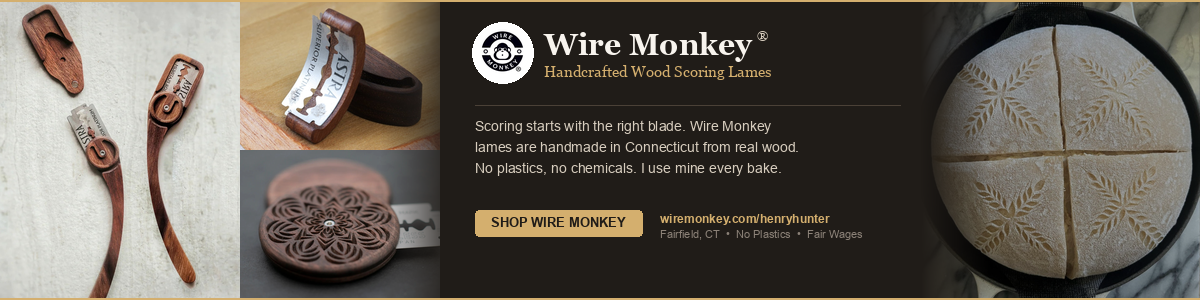
Wire Monkey Handcrafted Bread Lames
You Might Also Enjoy
More recipes from our pantry that pair well with this bake.
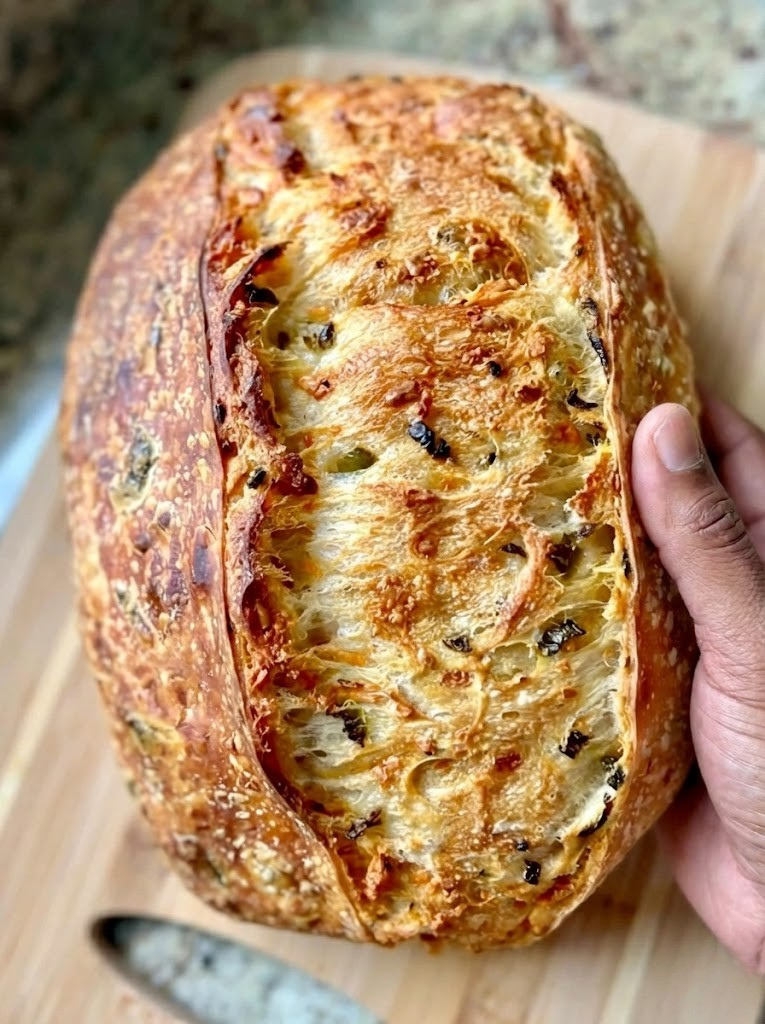

Get More Recipes in Your Inbox
Join thousands of home bakers receiving weekly recipes, tips, and techniques to elevate your bread game.
No spam, ever. Unsubscribe anytime.
More from Baking Great Bread at Home
Tools, resources, and community to help you bake better bread

Crust & Crumb Academy
Go deeper into your craft. FREE courses, challenges, and real feedback. No gatekeeping. Perfection is not required.
Sourdough Starter Companion
Your AI-powered starter assistant. Track feedings, troubleshoot issues, and keep your starter thriving.

BakingGreatBread.com
Real bread for the rest of us

Baking Great Bread Blog
Recipes, tips, and stories from the bread journey
Recipe Converter
Convert sourdough recipes to yeast and back again
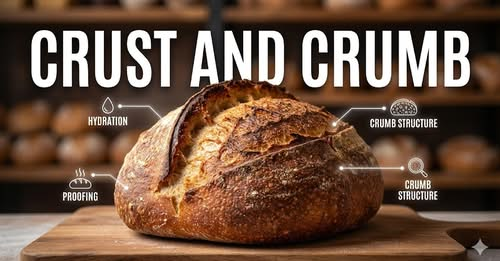
Crust & Crumb App
Your AI-powered baking assistant

Facebook Community
Join 50,000+ bakers sharing, learning, and supporting each other
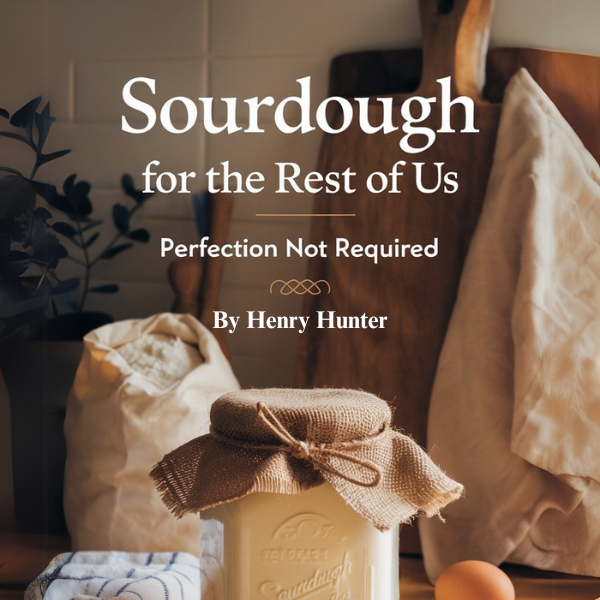
Sourdough for the Rest of Us
Free beginner's guide to sourdough