 Baking Great Bread at Home
Naturally Leavened, Deeply Flavored, No Lye Required
IntermediateSourdough SoftPretzels
by Henry Hunter Jr.
Fermentation
5-8 hours + optional overnight
Bake Time
12-16 minutes
Yield
8 large pretzels, 48 pretzel bites, or 12 pretzel buns

Perfection is not required
"Great bread isn't about perfect technique—it's about understanding the dough."— Henry Hunter Jr.
By Henry Hunter Jr., founder of Crust & Crumb Academy and Baking Great Bread at Home.
Authentic Flavor
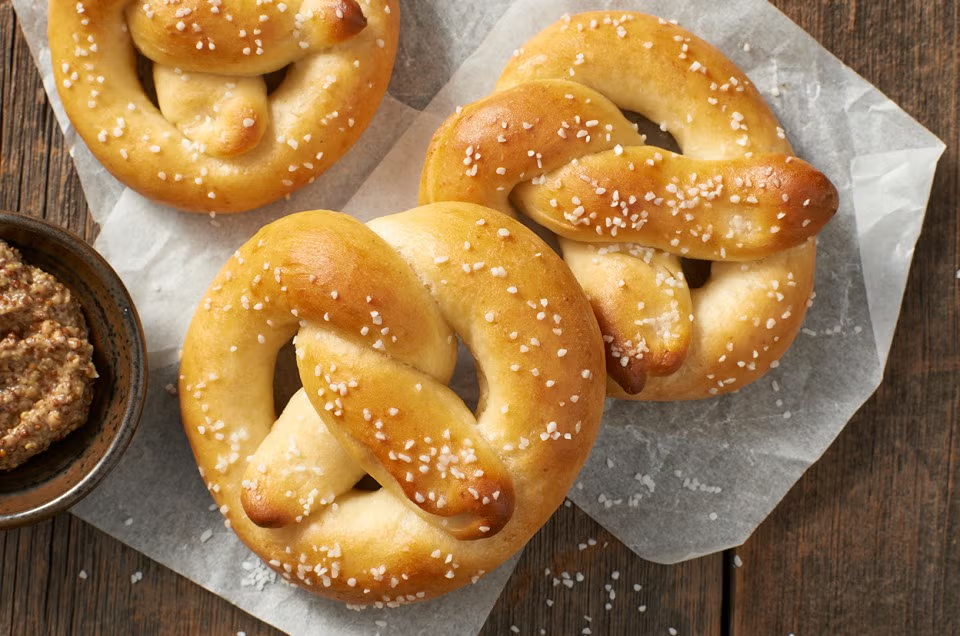
Naturally leavened sourdough soft pretzels with a chewy alkaline crust. Three shapes: twists, bites, and buns. No commercial yeast required.
Ingredients
Fed 4-8 hours before, doubled and bubbly
80-85°F / 27-29°C
Mix the Dough
A stiffer dough than typical sourdough bread. Pretzel dough should be firm, smooth, and not sticky. The butter enriches it and keeps the interior soft after the aggressive alkaline bath.
Click each step to mark complete
Combine Wet Ingredients
In a stand mixer bowl, stir together the , warm water, honey, and softened butter with a spatula until mostly combined. It won't be smooth yet. That's fine.
Add Dry Ingredients
Add the and salt. Mix on low speed with a dough hook until a shaggy dough forms, about 2 minutes.
Knead
Increase to medium-low speed and knead for 8-10 minutes. The dough should become smooth, elastic, and pull cleanly from the sides of the bowl. It should feel firm and slightly tacky but NOT sticky. If it's sticky, add bread flour a tablespoon at a time. If it's stiff and dry, add water a teaspoon at a time.
Windowpane Test
Pull a small piece of dough and stretch it thin. If you can see light through it without it tearing, the gluten is developed via the . If it tears immediately, knead for another 2-3 minutes.
Shape into a Ball
Form the dough into a smooth ball, place in a lightly oiled bowl, and cover with a damp towel or plastic wrap.
Pro Tip
If kneading by hand, this dough takes 12-15 minutes and requires some muscle. It's a firm dough. Use the heel of your palm, push forward, fold back, rotate. Let it rest for 5 minutes halfway through if your arms need a break.
Bulk Fermentation
This is where the sourdough magic happens. The long, slow rise develops flavor compounds that quick-rise yeast dough can't produce. Your kitchen temperature determines the timeline.
Click each step to mark complete
Room Temperature Rise
Let the covered dough rise at room temperature (72-78°F) for 5-8 hours, or until the dough has roughly doubled in size and feels airy when you gently jiggle the bowl.
Stretch and Fold (Optional but Recommended)
During the first 2 hours, do 2-3 sets of s, spaced 30-45 minutes apart. Wet your hand, grab one side of the dough, stretch it up and fold it over the center. Rotate the bowl 90° and repeat for all four sides. This builds strength without heavy kneading.
Check for Readiness
The dough should be noticeably puffier, with some bubbles visible on the surface and sides. It won't be as dramatically risen as yeasted dough, but it should be clearly fermented.
⏱ Wait Time
5-8 hours
Pro Tip
If you started the dough in the morning and it's ready by afternoon, you can shape and bake the same day. If you started late and it's not ready by bedtime, punch it down gently, cover tightly, and refrigerate overnight. ing for 8-16 hours deepens the flavor significantly and makes the dough easier to handle.
Shape the Pretzels
Same three shapes as the classic version. Sourdough dough is slightly stiffer and less elastic, so ropes may need a rest to relax before reaching full length.
Click each step to mark complete
Turn Out the Dough
Turn the dough onto a clean, unfloured surface. If the dough was refrigerated, let it warm up for 10-15 minutes first.
Divide
Cut the dough into equal pieces using a . For classic twists: 8 pieces (~115g each). For pretzel bites: 8 ropes cut into 1-inch pieces. For pretzel buns: 12 pieces (~75g each).
Shape Classic Twists
Roll each piece into a rope about 22-24 inches long, thinner at the ends and slightly thicker in the middle. Form a U-shape. Cross the ends over each other twice. Fold the twisted ends down and press them into the bottom of the U. Press firmly so they stick.
Shape Pretzel Bites
Roll each piece into a rope about 12 inches long. Using a or knife, cut each rope into 1-inch pieces. No further shaping needed—they'll puff into little nuggets in the oven.
Shape Pretzel Buns
Shape each piece into a tight, smooth ball: cup your hand over the dough on an unfloured surface and move it in small circles, letting the friction of the counter pull the surface tight. Tuck any seams underneath. Press each ball down gently with your palm to about ¾ inch thick.
Brief Proof (Optional)
Let the shaped pretzels rest on parchment-lined baking sheets for 15-20 minutes uncovered. This helps the surface develop a slight skin, which improves the crust after the bath. Don't cover them—the dry surface is intentional.
Pro Tip
Sourdough pretzel dough has more fight in it than yeasted dough because of the long . If the ropes keep springing back, let them rest 5-10 minutes under a towel between attempts. Don't force it. Patience wins.
Shaping
Choose Your Shape
One dough, three shapes. Pick based on what you're making.
Classic Twist
The iconic pretzel shape. Thinner at the ends, thicker in the middle. Cross, twist, fold down. Takes a few tries to get clean, but imperfect pretzels taste just as good.
RecommendedClick each step to mark complete
Pretzel Bites
Cut dough ropes into 1-inch pieces. Perfect for game day, dipping into cheese sauce or mustard. Kids love making these.
Click each step to mark complete
Pretzel Buns
Smooth round balls, pressed slightly flat. Use for burgers, pulled pork sandwiches, or breakfast sandwiches. The alkaline crust against a juicy burger is something special.
Click each step to mark complete
The Final Step
Baking Soda Bath + Bake
Identical process to the classic version. The alkaline works the same way on sourdough dough, creating the signature chewy, dark, glossy crust via the .
Step by Step
Preheat Oven
Set your oven to 425°F (220°C). Line two baking sheets with parchment paper and lightly oil or spray with nonstick spray.
Make the Bath
Bring 10 cups of water to a rolling boil in a large pot. Add the . It will foam up aggressively. Stir until dissolved, then reduce to a gentle simmer.
Boil the Pretzels
Working in batches of 2-3, carefully lower shaped pretzels into the simmering water using a slotted spoon. Boil for 30 seconds per side (1 minute total for twists and buns). For bites, just 30 seconds total, stirring gently once.
Transfer and Salt
Lift out with the slotted spoon, let excess water drip off, and place on prepared baking sheets. Sprinkle immediately with coarse pretzel salt while the surface is still wet.
Bake
Bake at 425°F (220°C). Classic twists: 12-14 minutes. Pretzel bites: 10-12 minutes. Pretzel buns: 14-16 minutes. Rotate pans halfway through for even browning. Sourdough pretzels brown slightly faster than yeasted ones—check at the 10-minute mark.
Butter Immediately
The moment the pretzels come out of the oven, brush generously with melted butter. This is non-negotiable. The butter soaks into the hot crust and adds flavor and shine.
Cool Briefly
Let them cool for 3-5 minutes. Serve warm.
Sourdough pretzels brown slightly faster than yeasted ones because of the residual sugars from . Check at the 10-minute mark and pull them when they're a deep, rich brown. Not burnt, just confident.
Baking Methods
Equipment: Baking sheets, parchment paper
Step 1
Preheat oven to 425°F (220°C).
Step 2
Boil pretzels in baking soda bath for 30 seconds per side.
Step 3
Transfer to parchment-lined sheets, salt immediately.
Step 4
Bake 12-16 minutes depending on shape.
Step 5
Brush with melted butter immediately out of the oven.
Nutrition Facts
Per 1 large pretzel (120g) • servings per recipe
* Values are estimates based on standard ingredients
Storage
Room Temperature
Best same day. Store loosely covered for 1 day.
Refrigerated
Up to 5 days in an airtight bag. Reheat at 350°F for 5 minutes.
Frozen
Up to 3 months, individually wrapped. Reheat from frozen at 350°F for 8-10 minutes.
Refresh
Reheat at 350°F for 5-8 minutes to revive the chew
Your Feedback
Rate This Recipe
Loading ratings...
Troubleshooting
Baker's Notes
Common questions and solutions for perfect results
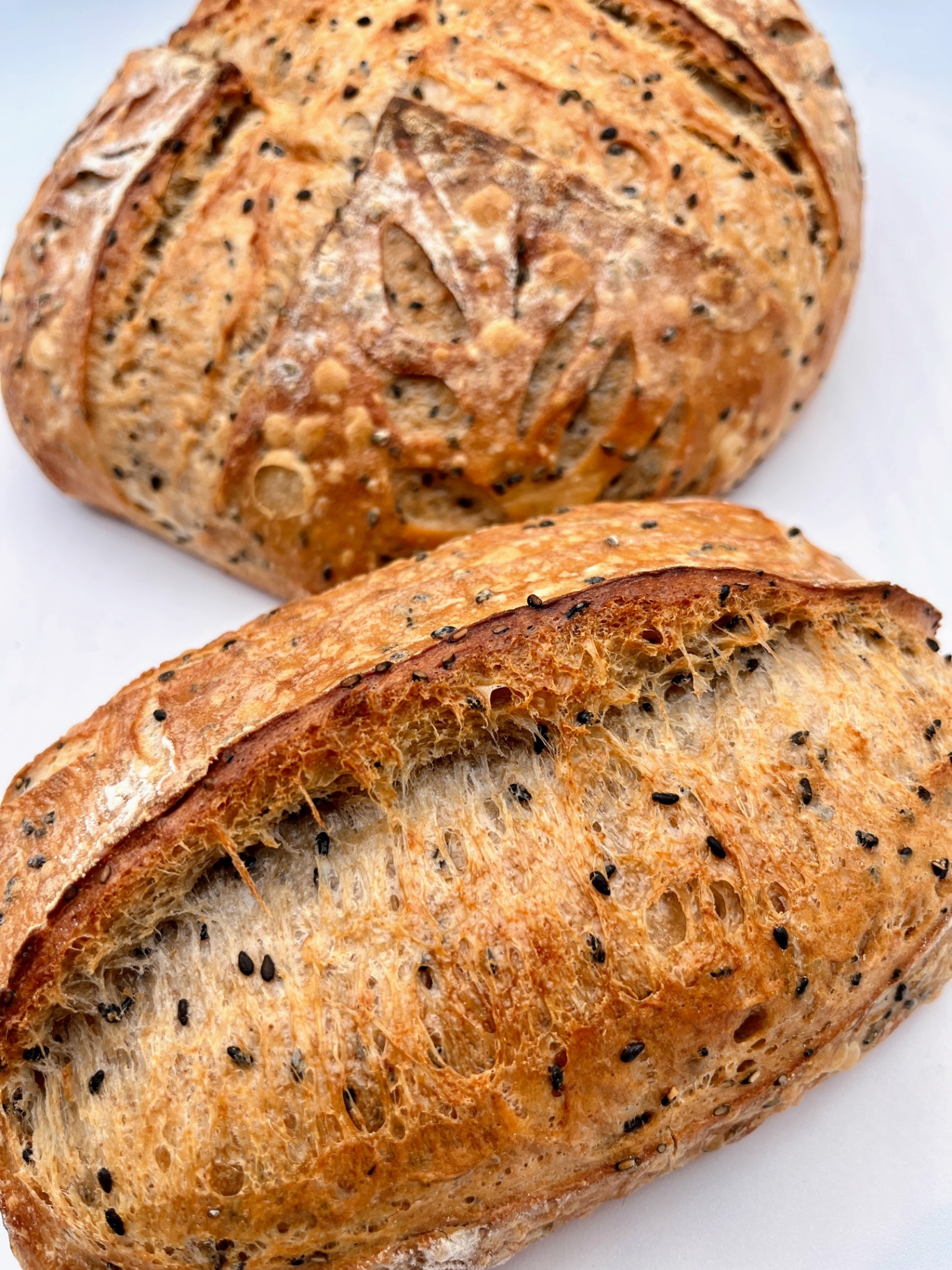
If you're serious about scoring, you need the right blade in your hand. Wire Monkey makes handcrafted bread lames from black walnut — built to last, balanced in the hand, and sharp enough to glide through cold dough cleanly every single time. No dragging, no hesitation marks. Just a clean cut.
Wire Monkey Handcrafted Bread Lames
You Might Also Enjoy
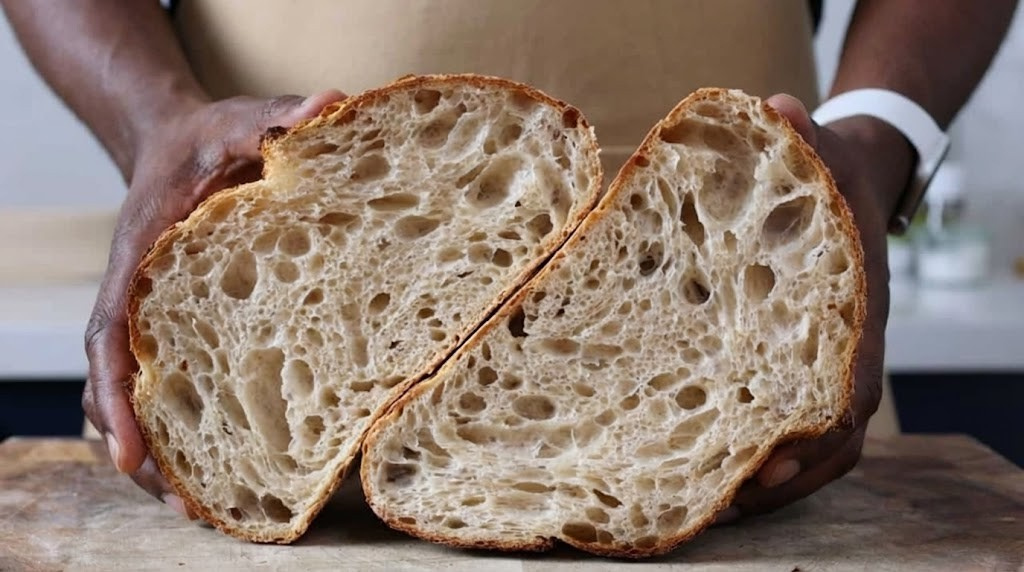
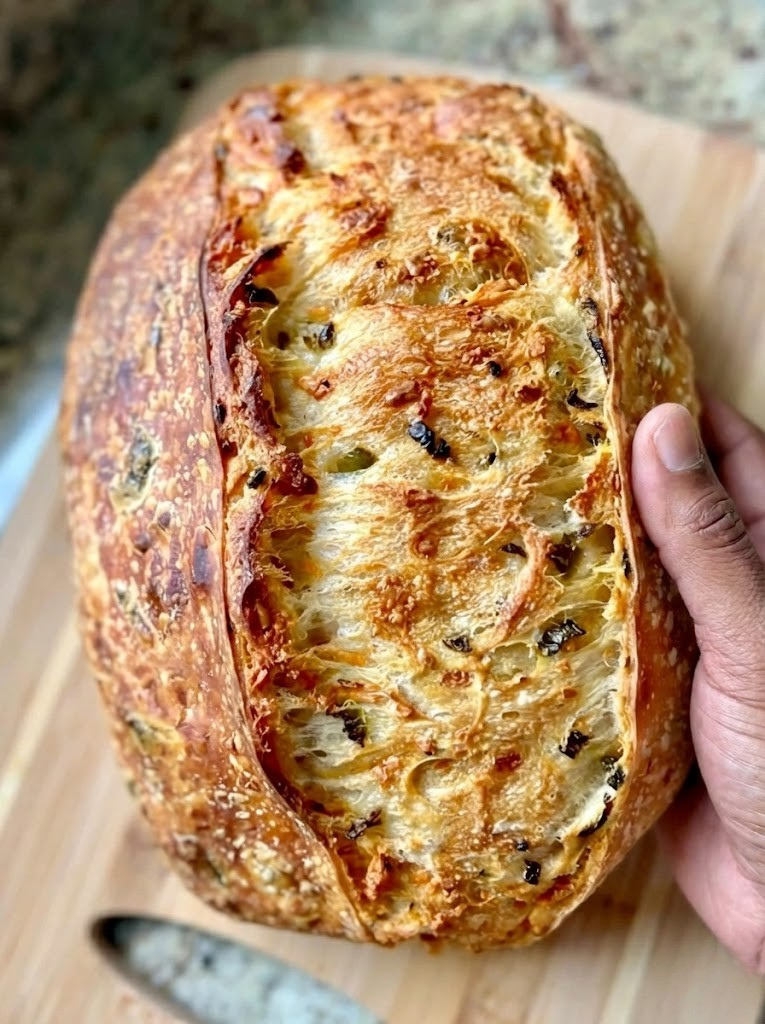
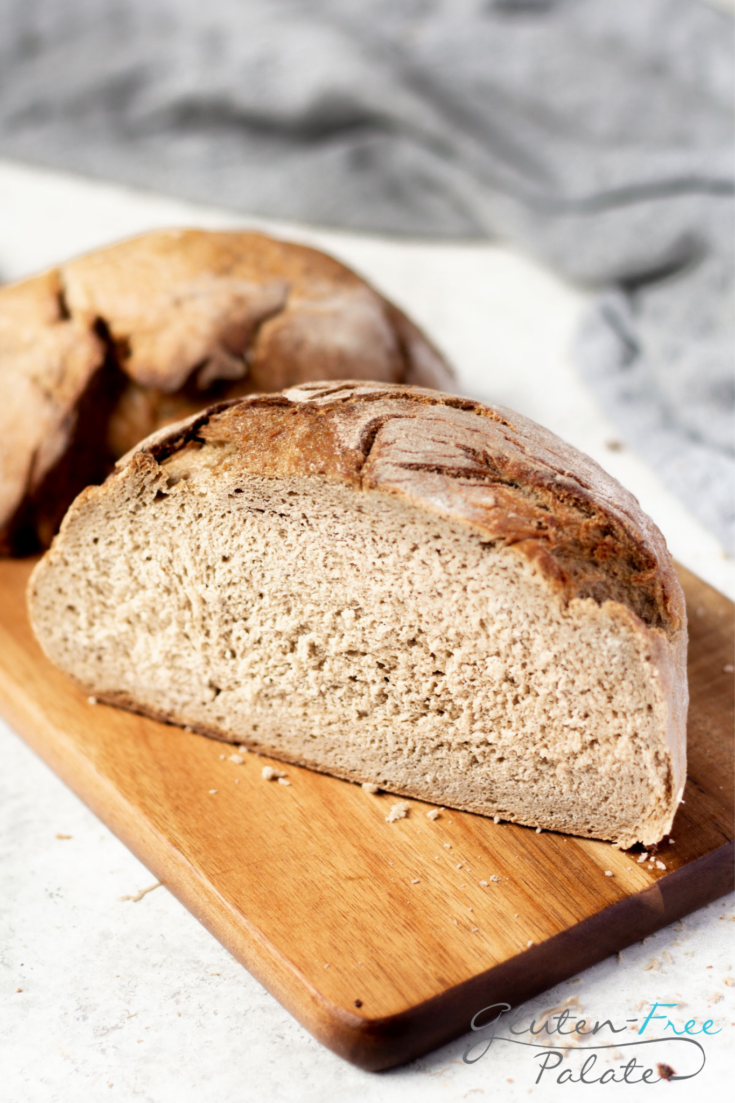
More recipes from our pantry that pair well with this bake.
Get More Recipes in Your Inbox
Join thousands of home bakers receiving weekly recipes, tips, and techniques to elevate your bread game.
No spam, ever. Unsubscribe anytime.
More from Baking Great Bread at Home
Tools, resources, and community to help you bake better bread

Crust & Crumb Academy
Go deeper into your craft. FREE courses, challenges, and real feedback. No gatekeeping. Perfection is not required.
Sourdough Starter Companion
Your AI-powered starter assistant. Track feedings, troubleshoot issues, and keep your starter thriving.

BakingGreatBread.com
Real bread for the rest of us

Baking Great Bread Blog
Recipes, tips, and stories from the bread journey
Recipe Converter
Convert sourdough recipes to yeast and back again
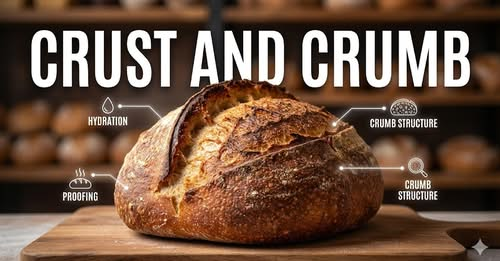
Crust & Crumb App
Your AI-powered baking assistant

Facebook Community
Join 50,000+ bakers sharing, learning, and supporting each other
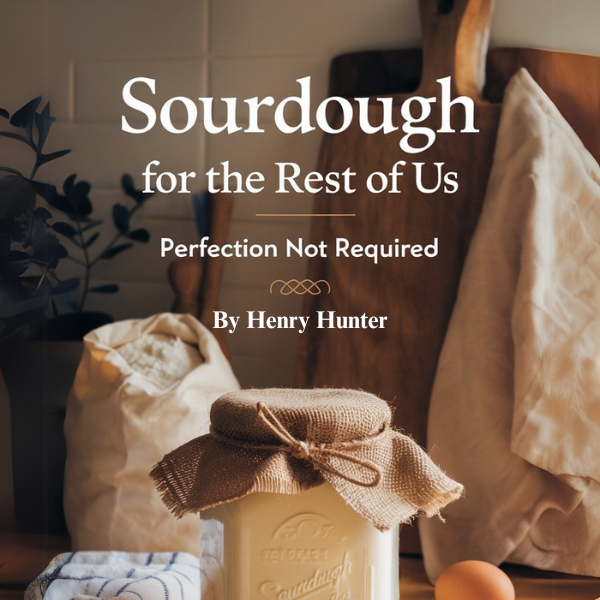
Sourdough for the Rest of Us
Free beginner's guide to sourdough