 Baking Great Bread at Home
Nooks, Crannies, and Zero Gatekeeping
IntermediateOvernight Sourdough EnglishMuffins
by Henry Hunter Jr.
Better than Thomas' with ingredients you can actually pronounce.
Fermentation
8-12 hours
Bake Time
Varies
Yield
10-12 English muffins
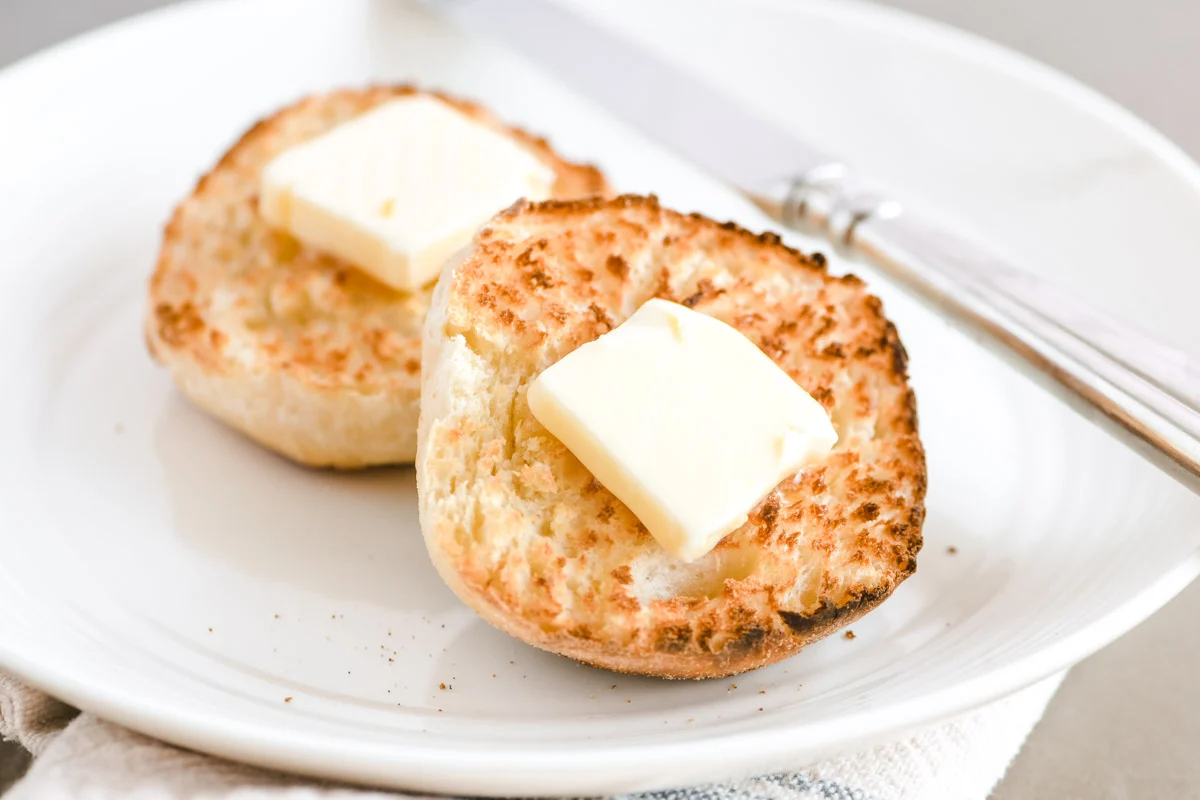

Perfection is not required
"Perfection is not required. Your first batch might be a little wonky. That's okay. They'll still taste better than anything from a package."— Henry Hunter Jr.
By Henry Hunter Jr., founder of Crust & Crumb Academy and Baking Great Bread at Home.
Authentic Flavor
Temperature is everything. A cold kitchen means longer fermentation, a warm kitchen means faster. Don't skip the cornmeal—it's not just traditional, it prevents sticking and adds that satisfying crunch. Low and slow on the griddle. The #1 mistake is heat that's too high. You want the muffins to cook through completely without burning.
Equipment Needed
Ingredients
Dough
Simple ingredients for perfect muffins
All-purpose works, slightly softer result
Fed 4-8 hours before, bubbly and active
Warmed to 80-90°F
Lukewarm
Melted and cooled
Adds subtle sweetness, helps browning
Add after initial mix
For Shaping & Cooking
Essential finishing touches
For dusting, creates classic texture
For the griddle
Pro Tip
The relatively low makes this dough easier to handle than typical sourdough bread. Don't be tempted to add more liquid—this is meant to be a stiffer dough that holds its shape.
Day 1
Feed Your Starter
4-8 hours before mixing
Your needs to be active and bubbly. If you're using a refrigerated starter, feed it and let it come to room temperature before starting. You want it at peak activity, not sluggish or recently fed.
Click each step to mark complete
Feed your starter
If refrigerated, discard all but 30g and feed with 60g flour + 60g water. Let it sit at room temperature until doubled and bubbly, usually 4-8 hours depending on your kitchen temp.
The
Drop a small spoonful of starter into a glass of water. If it floats, you're ready to go. If it sinks, give it more time.
Pro Tip
No starter? Use the yeasted variation in the notes section. Same great muffins, different timeline.
Day 1 (Evening)
Mix the Dough
15 minutes active
We're doing a modified here. Combining the starter with the flour and liquid from the start means begins immediately, developing flavor and structure simultaneously.
Click each step to mark complete
Warm the liquids
In a small bowl or measuring cup, combine the milk, water, and melted butter. Temperature should be 80-90°F (warm to the touch but not hot).
Combine wet ingredients
In a large bowl, add your active and honey. Pour in the warm milk mixture and whisk until the starter is dispersed.
Add the flour
Add the bread flour and stir with a wooden spoon or dough whisk until you have a shaggy, sticky mass. Don't worry about perfection here.
Rest ()
Cover the bowl and let it sit for 30 minutes. This rest period allows the flour to hydrate and development to begin naturally.
Add salt and mix
Sprinkle the salt over the dough. Using your hand (wet it first), dimple the salt into the dough, then squeeze and fold the dough on itself to incorporate. Continue mixing by hand or with a stand mixer fitted with a dough hook for 5-6 minutes until the dough is smooth, slightly tacky, and pulls away from the sides of the bowl.
The dough should stretch into a thin membrane without tearing. If it tears easily, mix for another 2 minutes.
⏱ Wait Time
Fermentolyse rest before adding salt
Pro Tip
This dough should feel like soft playdough—tacky but not sticky. If it's too wet, your scale might be off or your flour may have absorbed moisture. Add flour 1 tablespoon at a time if needed.
Precise Timers
Use these interactive timers to track your stages.
Fermentolyse Rest
Mixing after salt
Day 1 (Night)
Overnight Bulk Fermentation
8-12 hours hands-off
This is where the magic happens. The long, slow develops that characteristic sourdough tang, breaks down phytic acid for better nutrient absorption, and makes the final muffins easier to digest.
Click each step to mark complete
Shape into ball
Perform one set of s in the bowl, then shape the dough into a rough ball.
Cover and rest
Cover the bowl tightly with plastic wrap or a damp towel.
Ferment overnight
Leave at room temperature (65-72°F) for 8-12 hours. In a warm kitchen, lean toward 8 hours. In a cool kitchen, closer to 12.
What to look for
In the morning, the dough should be noticeably larger (not necessarily doubled), domed on top, and jiggly when you shake the bowl. You should see bubbles on the surface and around the edges.
⏱ Wait Time
Overnight
Pro Tip
If your kitchen runs warm (over 75°F), do 4-6 hours at room temp, then move to the refrigerator for the remaining time. Cold slows things down and adds even more flavor.
Day 2 (Morning)
Shape the Muffins
15 minutes
Time to transform that bubbly, fermented dough into perfect muffin shapes. Be gentle here—you've spent all night building air pockets, and you want to preserve as many as possible for those signature nooks and crannies.
Click each step to mark complete
Prepare your surface
Generously dust your work surface with flour. Prepare a parchment-lined baking sheet and dust it liberally with cornmeal or semolina.
Turn out the dough
Gently tip the dough onto the floured surface. Handle it like a newborn—minimal force.
Pat to thickness
Using floured hands, gently pat (don't roll!) the dough to about ¾-inch thickness. If it springs back aggressively, let it rest 5 minutes and try again.
Cut the muffins
Dip your 3-inch biscuit cutter in flour between each cut to prevent sticking. Press straight down—don't twist. Cutting creates clean edges that help the muffins rise evenly.
Transfer to sheet
Place each cut muffin on the prepared baking sheet, leaving 2 inches between them. Flip each one so both sides are coated in cornmeal.
Gather and re-cut scraps
Gently gather the scraps, press together (don't ), pat out, and cut more muffins. These 're-roll' muffins won't be quite as tender but still taste great.
Pro Tip
No biscuit cutter? Use a large drinking glass or jar lid dipped in flour. Or, divide the dough into 10-12 equal portions (about 75g each) and shape into balls by hand, then flatten to ¾-inch thick discs.
Day 2 (Morning)
Second Rise
45-60 minutes
This short rest allows the muffins to relax and puff up slightly before cooking. They won't double, but they should look noticeably puffy and pillowy.
Click each step to mark complete
Cover loosely
Drape the baking sheet with a clean kitchen towel or plastic wrap.
Rest at room temperature
Let the muffins rise for 45-60 minutes. They should puff up and look soft and pillowy.
Gently poke a muffin with a floured finger. The indent should slowly fill back about halfway. If it springs back immediately, give them more time. If it doesn't spring back at all, they may be slightly (still edible, just denser).
⏱ Wait Time
Second rise until puffy
Pro Tip
If you need to pause, you can refrigerate the shaped muffins for up to 24 hours. Just let them sit at room temperature for 30 minutes before cooking.
Precise Timers
Use these interactive timers to track your stages.
Second Rise
Day 2
Cook on the Griddle
20-30 minutes
English muffins are cooked on a griddle, not baked in an oven. This is what gives them their signature flat tops and bottoms with that slight chewiness. Low and slow is the key—you want the inside cooked through without burning the outside.
Click each step to mark complete
Preheat your griddle
Heat a cast iron skillet or griddle over medium-low heat (275-300°F if you have a thermometer). Preheat for at least 10 minutes for even heat distribution.
Grease lightly
Brush with a thin layer of clarified butter or neutral oil. You need very little.
Add the muffins
Carefully transfer 3-4 muffins to the griddle, leaving space between them. Don't overcrowd.
Cover and cook
Place a lid or inverted baking sheet over the muffins. Cook for 7-10 minutes until the bottom is deep golden brown.
Flip carefully
Using a spatula, gently flip each muffin. The cooked side should be golden brown with some darker spots.
Cook the second side
Cover again and cook for another 7-10 minutes. Check by pressing gently on the side—it should feel firm, not squishy.
Check internal temp
For precision, use an instant-read thermometer. Internal temperature should reach 200-205°F in the center.
Cool on a rack
Transfer cooked muffins to a wire rack. Repeat with remaining muffins.
Pro Tip
If the muffins are browning too fast but still raw inside, your heat is too high. If they're taking forever to brown, turn up the heat slightly. Every stove is different, so the first batch is always a learning experience.
Precise Timers
Use these interactive timers to track your stages.
Preheat Griddle
First Side
Second Side
Day 2
Fork-Split and Enjoy
5 minutes
The final crucial step. Never, ever cut an English muffin with a knife. Fork-splitting creates those beautiful nooks and crannies that catch butter and jam.
Click each step to mark complete
Let them cool slightly
Wait at least 5 minutes. Too hot and they'll steam and become gummy when you split them.
Fork-split technique
Insert a fork into the side of the muffin, about halfway through. Work your way around the entire circumference, poking holes every quarter inch.
Pull apart
Once you've gone all the way around, gently pry the two halves apart with the fork or your fingers.
Toast if desired
Pop the halves in a toaster until golden and crispy on the cut surface.
Load up with toppings
Butter, jam, honey, cream cheese, eggs benedict, breakfast sandwiches—the world is your oyster.
Pro Tip
These are best eaten the same day but will keep at room temperature in an airtight container for 2-3 days. For longer storage, freeze (see Storage section).
Precise Timers
Use these interactive timers to track your stages.
Cool Before Splitting
Shaping
Shaping Options
Choose your preferred method for shaping the muffins.
Classic Round
Traditional biscuit cutter method for uniform muffins.
RecommendedClick each step to mark complete
Pat dough to ¾-inch thickness
Use floured hands, don't roll with a pin.
Cut with 3-inch round cutter
Dip cutter in flour between cuts.
Transfer to cornmeal-dusted sheet
Flip to coat both sides.
Let rise 45-60 minutes
Before cooking on griddle.
Hand-Shaped Rounds
No cutter needed—shape by hand for rustic muffins.
Click each step to mark complete
Divide dough
Into 10-12 equal portions (~75g each).
Roll each into a ball
Then flatten to ¾-inch thick disc.
Roll edges in cornmeal
Coat all sides.
Place on prepared sheet
Let rise and cook as usual.
Square Muffins (No Scraps!)
Maximizes dough usage with zero waste.
Click each step to mark complete
Pat dough into rectangle
10x12 inch rectangle.
Use
To cut into 12 equal squares.
Coat all sides in cornmeal
For classic texture.
Let rise and cook as usual
Square muffins toast beautifully.
Proof Test: Gently press a floured finger into the muffin. The indent should slowly fill back about halfway (not immediately, not stay sunken). This indicates proper proofing.
The Final Step
Cooking Methods
English muffins are traditionally cooked on a griddle, not in an oven. However, an oven-assist method is included for those who struggle with stovetop temperature control.
Baking Methods
The classic method for perfect English muffins with even heat distribution.
Equipment: Cast iron skillet with lid (or inverted baking sheet)
Preheat cast iron
Over medium-low for 10 minutes.
Brush lightly
With clarified butter or oil.
Cook muffins 7-10 minutes per side
Covered for even cooking.
Check internal temp
Reaches 200-205°F.
Nutrition Facts
Per 1 muffin (about 75g) • 10-12 muffins servings per recipe
* Values are estimates based on standard ingredients
Storage
Room Temperature
Store in an airtight container or bread bag at room temperature for 2-3 days. After day 1, toasting is recommended.
Refrigerated
Not recommended. Refrigeration causes staling faster than room temperature.
Frozen
Freeze for up to 3 months. For best results: Let muffins cool completely, fork-split into halves before freezing (optional but convenient), wrap individually in plastic wrap, then place in freezer bag. Toast directly from frozen—no need to thaw.
💡 Make a double batch and freeze half. Future you will thank present you when breakfast is 3 minutes away.
Your Feedback
Rate This Recipe
Loading ratings...
Troubleshooting
Baker's Notes
Common questions and solutions for perfect results
If you're serious about scoring, you need the right blade in your hand. Wire Monkey makes handcrafted bread lames from black walnut — built to last, balanced in the hand, and sharp enough to glide through cold dough cleanly every single time. No dragging, no hesitation marks. Just a clean cut.
Wire Monkey Handcrafted Bread Lames
You Might Also Enjoy
More recipes from our pantry that pair well with this bake.
Get More Recipes in Your Inbox
Join thousands of home bakers receiving weekly recipes, tips, and techniques to elevate your bread game.
No spam, ever. Unsubscribe anytime.
More from Baking Great Bread at Home
Tools, resources, and community to help you bake better bread

Crust & Crumb Academy
Go deeper into your craft. FREE courses, challenges, and real feedback. No gatekeeping. Perfection is not required.
Sourdough Starter Companion
Your AI-powered starter assistant. Track feedings, troubleshoot issues, and keep your starter thriving.

BakingGreatBread.com
Real bread for the rest of us

Baking Great Bread Blog
Recipes, tips, and stories from the bread journey

Recipe Converter
Convert sourdough recipes to yeast and back again
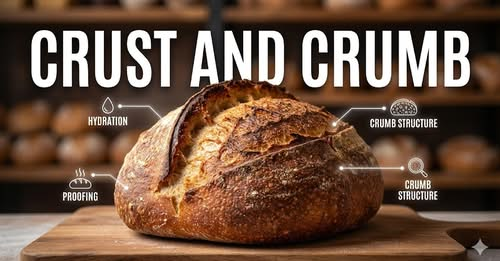
Crust & Crumb App
Your AI-powered baking assistant

Facebook Community
Join 50,000+ bakers sharing, learning, and supporting each other
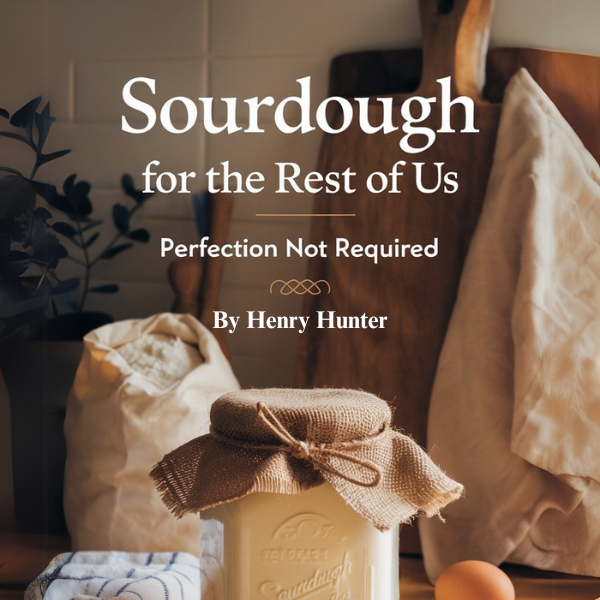
Sourdough for the Rest of Us
Free beginner's guide to sourdough