 Baking Great Bread at Home
Same quick bread, deeper flavor — put that discard to work
BeginnerSourdough Discard Irish SodaBread
by Henry Hunter Jr.
Your discard deserves better than the trash.
Bake Time
40-45 minutes
Yield
Serves 8-10
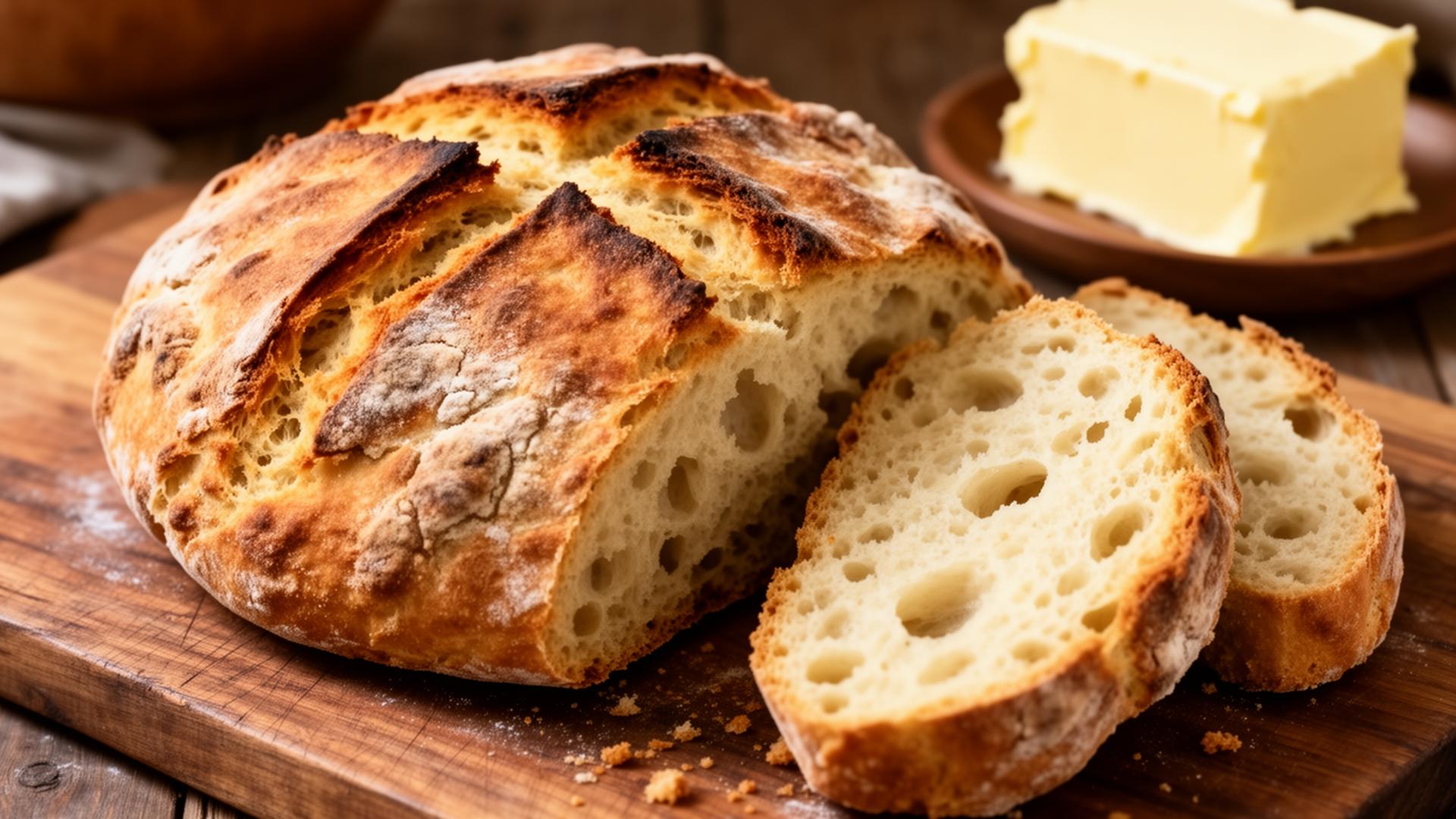

Perfection is not required
"Perfection is not required. Progress is."— Henry Hunter Jr.
By Henry Hunter Jr., founder of Crust & Crumb Academy and Baking Great Bread at Home.
Authentic Bread Flavor
If you're keeping a sourdough starter, you've got discard. Instead of throwing it away or making the same pancakes again, try this. It's the fastest way to get bread on the table that actually tastes like you put real thought into it.
Equipment Needed
Ingredients
The Dough
The discard replaces some of the buttermilk and flour while adding its own acidity. You still need baking soda — the discard alone isn't enough leavening for a quick bread.
Optional Add-Ins
Pro Tip
The discard adds real acidity to the mix — don't skip the baking soda thinking the sourdough will do the job alone. Quick breads need that instant chemical reaction. The discard's job here is flavor, not lift. Discard thickness varies. If your dough still feels stiff after mixing, add cold buttermilk one tablespoon at a time until it comes together into a shaggy, cohesive mass.
Mix
Mix the Dough
Discard first, then dry, then buttermilk
Same principle as the classic version — minimum mixing, maximum speed. The only difference is the order: you'll incorporate the before adding the buttermilk so it blends evenly without overmixing.
Click each step to mark complete
Combine Dry Ingredients
In a large bowl, whisk together the all-purpose flour, whole wheat flour, baking soda, and salt. Add caraway or raisins here if using.
Add the Discard
Add the sourdough discard to the bowl. Use a fork to break it up and distribute it through the flour mixture. It'll look crumbly and messy — that's fine.
Add Buttermilk and Bring Together
Pour in the cold buttermilk and mix with a fork or your hand just until a rough dough comes together. It'll be sticky and shaggy — that's right. Don't smooth it out. If it's too dry, add buttermilk 1 tbsp at a time.
Pro Tip
If your discard is cold from the fridge, that's fine — and actually preferred. Cold discard won't activate the baking soda prematurely.
Acidity and Flavor
Sourdough discard contains lactic and acetic acids from fermentation. Those acids interact with the baking soda the same way buttermilk does — but they also bring a complex, fermented flavor that plain buttermilk can't replicate. The result is a slightly tangier, more interesting loaf that actually tastes like it took effort.
Why You Still Need Buttermilk
The discard alone doesn't have enough liquid or acid volume to leaven the whole loaf properly. You need both — the discard for flavor, the buttermilk for the chemical reaction to fully kick off. Think of the discard as the flavor layer and the buttermilk as the engine.
What Discard to Use
Any unfed discard works — fresh from the fridge, a few days old, whatever you've been accumulating. Older discard (3-5 days) is actually better here because it's more acidic. If your discard is active and recently fed, use it but expect a milder flavor.
The Takeaway
The discard makes it taste like more work went into it than it did. That's the deal.
Shape
Shape and Score
Same as the classic — rough is right
Turn dough onto a lightly floured surface and shape into a round about 6 inches across. Score the cross deep — at least ½ inch, nearly to the edges.
Click each step to mark complete
Shape into a Round
Lightly flour your hands and surface. Turn the dough out and gently form it into a round ball, tucking edges underneath. Press to about 3 inches tall.
Score the Cross
Using a sharp knife or lame, cut a deep cross (½ inch deep) across the top, extending nearly to the edges. This is functional — it lets the bread expand and the center cook through.
Pro Tip
Discard dough is slightly tackier than the classic version. Flour your hands, not the dough. If it sticks to the surface, use a bench scraper to lift it.
Shaping
Shape the Loaf
Simple round — discard dough handles the same as the classic, just slightly stickier.
Traditional Round Boule
RecommendedClick each step to mark complete
Flour hands lightly
Keep flour on your hands, not the dough.
Form a round
Tuck edges underneath, press to about 3 inches tall.
Score deeply
Half-inch cross, edge to edge.
Proof Test: No proof test — shape and bake immediately. The baking soda reaction has already started.
Bake
Bake the Loaf
The sourdough discard adds natural sugars from fermentation, which means this loaf browns a bit faster. Watch the color at the 35-minute mark.
Step by Step
Preheat to 425°F (220°C)
Preheat oven with your Dutch oven or cast iron inside. Hot vessel = better bottom crust.
Transfer and Bake
Lower the loaf (on parchment) into the hot vessel. Bake at 425°F (220°C) for 20 minutes, then reduce to 400°F (205°C) for 18-22 more minutes. Watch the color — discard versions can go dark faster than the classic.
Check Doneness
Tap the bottom — hollow means done. Internal temperature should reach 195-200°F (90-93°C).
First Bake (High Heat)
Second Bake (Reduced Heat)
If it's browning too fast before 40 minutes total, tent it loosely with foil for the last 10 minutes.
Baking Methods
Best option. Preheated vessel for a superior crust.
Equipment: Dutch oven or 10-inch cast iron skillet
Preheat vessel
Vessel goes in the oven while it preheats to 425°F (220°C).
Transfer and bake
20 minutes at 425°F (220°C), then 18-22 minutes at 400°F (205°C).
"Discard loaves go darker than the classic. Don't pull early based on color — tap the bottom to check."
Cool
Cool on a Wire Rack
30 minutes minimum
Move to a wire rack immediately. The discard version has more moisture from fermentation — it needs the full 30 minutes to set the crumb.
Click each step to mark complete
Rest the Loaf
Place on wire rack and leave it alone for at least 30 minutes. The crumb is still finishing up.
⏱ Wait Time
30-45 minutes
Precise Timers
Use these interactive timers to track your stages.
Cooling Time
Nutrition Facts
Per 1 slice (1/10 loaf) • 10 servings per recipe
* Values are estimates based on standard ingredients
Storage
Room Temperature
Best the day it's baked. Wrap in cloth or paper bag for up to 2 days. The discard adds slight moisture which helps it last a little longer than the classic.
Refrigerated
Not recommended — refrigeration dries out quick breads.
Frozen
Slice first, wrap tightly, freeze up to 4 weeks. Toast directly from frozen.
Refresh
Toast slices or warm the whole loaf at 350°F (175°C) for 8-10 minutes.
Your Feedback
Rate This Recipe
Loading ratings...
Troubleshooting
Baker's Notes
Common questions and solutions for perfect results
Temperature is the invisible ingredient. I use the Goldie and DoughBed from SourHouse to keep my starter and dough at the perfect temperature, every time.
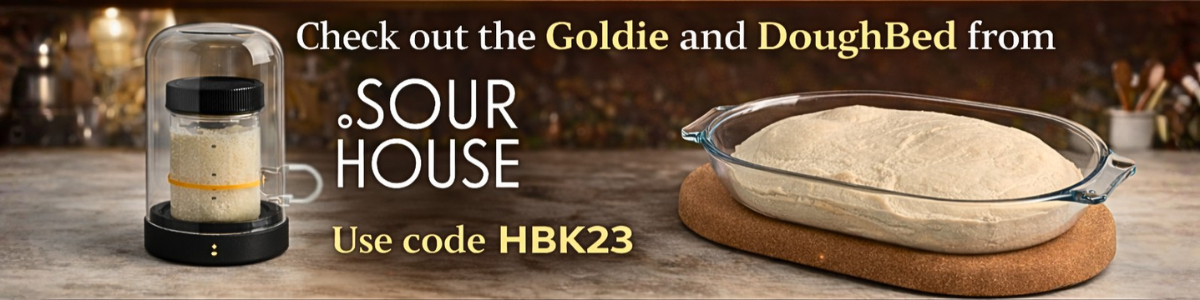
SourHouse Temperature Control Products
You Might Also Enjoy
More recipes from our pantry that pair well with this bake.
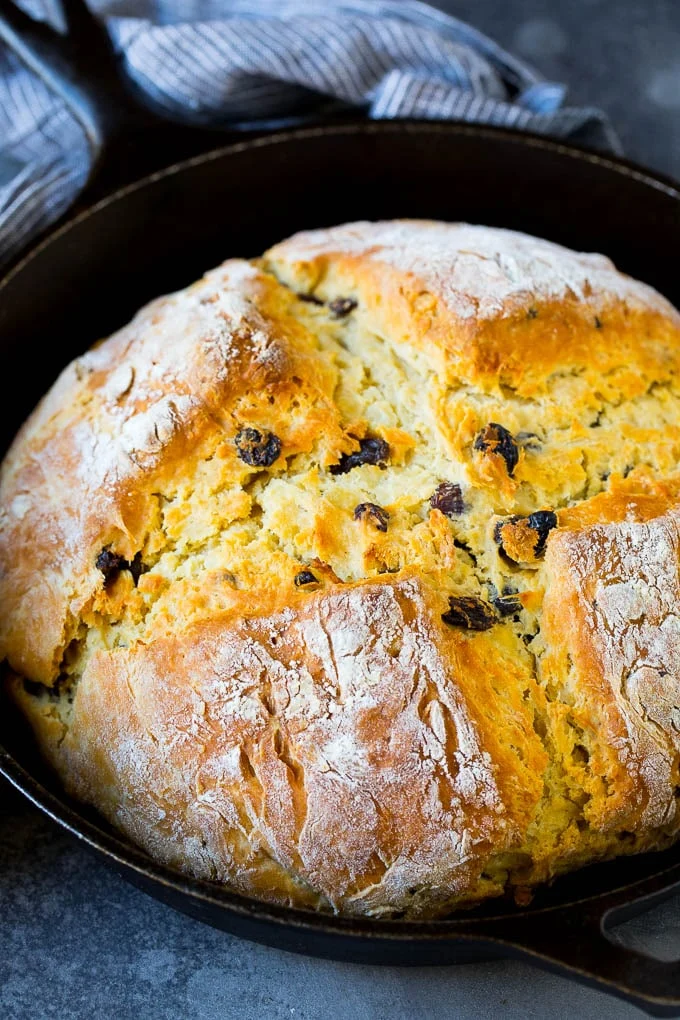
Get More Recipes in Your Inbox
Join thousands of home bakers receiving weekly recipes, tips, and techniques to elevate your bread game.
No spam, ever. Unsubscribe anytime.
More from Baking Great Bread at Home
Tools, resources, and community to help you bake better bread
Crust & Crumb Academy
Go deeper into your craft. FREE courses, challenges, and real feedback. No gatekeeping. Perfection is not required.
Sourdough Starter Companion
Your AI-powered starter assistant. Track feedings, troubleshoot issues, and keep your starter thriving.

BakingGreatBread.com
Real bread for the rest of us
Baking Great Bread Blog
Recipes, tips, and stories from the bread journey
Recipe Converter
Convert sourdough recipes to yeast and back again
Crust & Crumb App
Your AI-powered baking assistant
Facebook Community
Join 50,000+ bakers sharing, learning, and supporting each other
Sourdough for the Rest of Us
Free beginner's guide to sourdough