 Baking Great Bread at Home
Tangzhong Method for Extended Freshness
BriocheBread
by Henry Hunter Jr.
The buttery French bread that stays impossibly soft for days
Rise Time
10-14 hrs
Bake Time
30-35 min
Yield
Makes 1 large loaf (9x5 pan) or 12 rolls
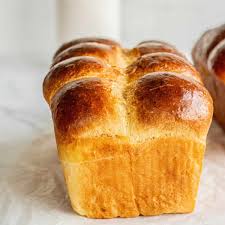

Perfection is not required
"Great bread isn't about perfect technique—it's about understanding the dough."— Henry Hunter Jr.
By Henry Hunter Jr., founder of Crust & Crumb Academy and Baking Great Bread at Home.
Authentic Bread Flavor
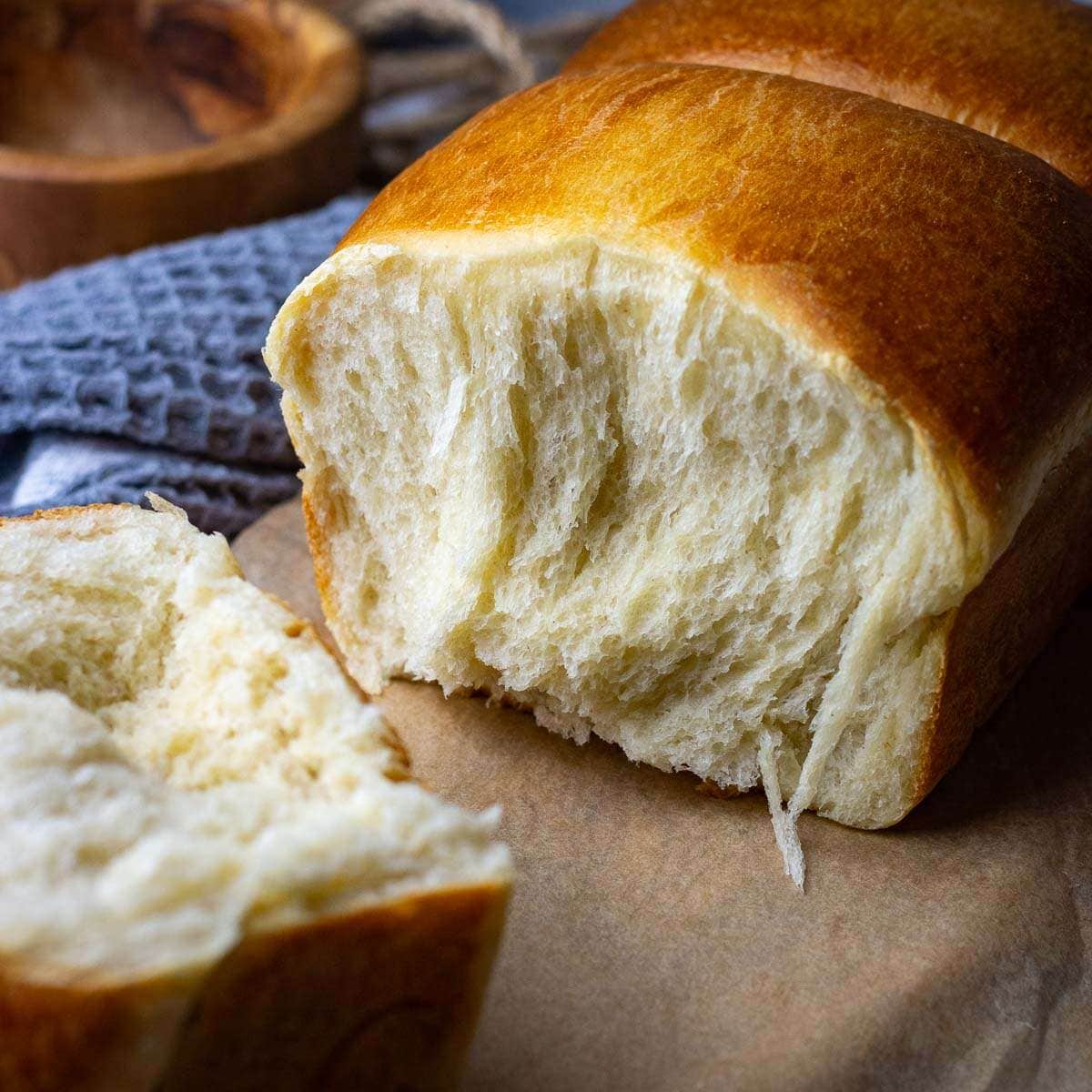
This isn't your average brioche. By combining traditional French technique with the Japanese tangzhong method, you get all the rich, buttery flavor of authentic brioche plus the staying power of Japanese milk bread. The result? A golden, pillowy loaf that stays soft for 3-4 days.
Equipment Needed
Ingredients
Tangzhong (Make First)
This cooked flour paste is the secret to brioche that stays soft for days
Dough
Egg Wash & Finishing
Day 1
Make the Tangzhong
This cooked flour paste is the secret to brioche that stays soft for days. The heat gelatinizes the starches, allowing them to hold more moisture.
Click each step to mark complete
Whisk together
In a small saucepan, whisk bread flour and milk until no lumps remain.
Cook over medium-low heat
Stir constantly with a spatula or whisk. The mixture will thicken quickly.
Watch for the right consistency
Continue stirring until it reaches 150°F (65°C) and resembles thick mashed potatoes. When you drag your spatula through, it should leave clear lines.
Remove and add butter
Take off heat immediately. Stir in cold butter until melted and incorporated.
Cool completely
Transfer to a bowl. Press plastic wrap directly onto the surface to prevent a skin. Cool to room temperature (or refrigerate up to 24 hours).
Precise Timers
Use these interactive timers to track your stages.
Tangzhong Cooking
Day 1
Mix the Dough (Pre-Butter)
Building gluten strength BEFORE adding butter is the most important technique in brioche. Skip this and your bread will be dense.
Click each step to mark complete
Combine wet ingredients
In the bowl of a stand mixer, add cooled , cold milk, and cold eggs. Whisk briefly with a fork to combine.
Add dry ingredients
Add bread flour, sugar, and yeast to the bowl. Place salt on the opposite side from the yeast.
Mix on low
Attach dough hook. Mix on speed 1-2 for 2 minutes until a shaggy dough forms and no dry flour remains.
Increase speed and knead
Increase to speed 3-4 and knead for 8-10 minutes. The dough will slap the sides of the bowl and eventually become smooth and elastic.
CHECKPOINT - Windowpane test
Stop the mixer. Pinch off a small piece of dough and stretch it gently. It should stretch thin enough to see light through without tearing. If it tears, knead 2-3 more minutes and test again.
Precise Timers
Use these interactive timers to track your stages.
Initial Mix
Kneading
Day 1
Add Butter (The Critical Step)
Butter temperature is everything. Too soft = greasy dough. Too cold = it won't incorporate. You want 'pliable but cool.'
Click each step to mark complete
Check your butter
It should give slightly when pressed but still feel cool to the touch. Not soft and spreadable, not hard from the fridge. Think 'Play-Doh consistency.'
Cut butter into pieces
Divide into roughly 12 pieces (about 13g each).
Add butter one piece at a time
With mixer on speed 2, add one piece of butter. Wait until it's mostly absorbed before adding the next piece. This takes patience.
Watch for trouble signs
If butter starts leaking out (you'll see oily streaks), STOP. Refrigerate remaining butter for 10 minutes, then continue.
Keep mixing after all butter is added
Once all butter is in, increase to speed 3-4 and mix for another 5-7 minutes.
Final texture check
Dough should be smooth, shiny, and slightly tacky. It will pull cleanly from the bowl sides. When you lift the dough hook, it should stretch without breaking.
Precise Timers
Use these interactive timers to track your stages.
Butter Incorporation
Day 1
Initial Rise
A short room temperature rise gets fermentation started before the overnight cold retard.
Click each step to mark complete
Transfer to a clean bowl
The dough will be soft and sticky. Use a bench scraper to move it to a large, lightly greased bowl.
Cover tightly
Press plastic wrap directly onto the dough surface, then cover the bowl with a lid or more plastic wrap.
Rise at room temperature
Let rise until puffy and increased by about 50% (not fully doubled). This takes 1-1.5 hours depending on your kitchen temperature.
Deflate gently
Press down on the dough to release large gas bubbles. Don't punch aggressively.
Precise Timers
Use these interactive timers to track your stages.
Initial Rise Check
Day 1 → Day 2
Cold Retard (Overnight)
The overnight refrigeration is mandatory, not optional. It develops flavor, firms the butter for easier shaping, and produces superior texture.
Click each step to mark complete
Cover and refrigerate
Make sure dough is tightly covered. Place in the coldest part of your refrigerator.
Let it rest
Minimum 8 hours, maximum 24 hours. The dough may rise slightly in the fridge, which is normal.
Don't skip this step
Warm brioche dough is nearly impossible to shape. The is what makes this bread manageable.
8-24 hours
The cold retard firms the butter and develops complex flavors
Day 2
Final Proof
This is a slow rise because the dough is cold. Be patient. Rushing leads to dense bread.
Click each step to mark complete
Cover loosely
Drape plastic wrap or a damp towel over the shaped dough. Don't let it touch the surface.
Proof at room temperature
Let rise until doubled and dough looks puffy and pillowy. At 75°F this takes 2-2.5 hours. Cooler kitchens may need 3+ hours.
Poke test
Gently press a floured finger into the dough. If the indent springs back slowly but doesn't fill in completely, it's ready. If it springs back quickly, longer.
Preheat oven
Start preheating to 350°F (175°C) about 30 minutes before you expect the dough to be ready.
Precise Timers
Use these interactive timers to track your stages.
First Proof Check
Preheat Oven
Day 2
Bake & Finish
Brioche browns quickly because of the sugar and eggs. Watch carefully and tent with foil if needed.
Step by Step
Make egg wash
Whisk egg yolk with cream or milk until smooth.
Apply egg wash gently
Use a very light touch with the pastry brush. Don't press down on the proofed dough.
Optional toppings
Sprinkle with flaky sea salt, pearl sugar, or leave plain.
Bake at 350°F
Place pan in center of oven. Bake for 30-35 minutes.
Watch for browning
If top browns too quickly (after 15-20 minutes), tent loosely with foil.
Check doneness
Internal temperature should reach 190-195°F (88-90°C). The top should be deep golden brown.
Cool in pan briefly
Let rest 5-10 minutes, then turn out onto a wire rack.
Cool completely before slicing
At least 30 minutes, ideally 1 hour. The interior continues cooking as it cools.
Baking Methods
Center rack for even browning
Preheat
Preheat oven to 350°F (175°C) at least 30 minutes before baking.
Position
Place pan in center of oven.
Bake
Bake 30-35 minutes until deep golden brown.
Tent if needed
If top browns too quickly (after 15-20 minutes), tent loosely with foil.
Check internal temp
Internal temperature should reach 190-195°F (88-90°C).
Nutrition Facts
Per 1 slice (about 70g) • 12 servings per recipe
* Values are estimates based on standard ingredients
Your Feedback
Rate This Recipe
Loading ratings...
Troubleshooting
Baker's Notes
Common questions and solutions for perfect results
Temperature is the invisible ingredient. I use the Goldie and DoughBed from SourHouse to keep my starter and dough at the perfect temperature, every time.
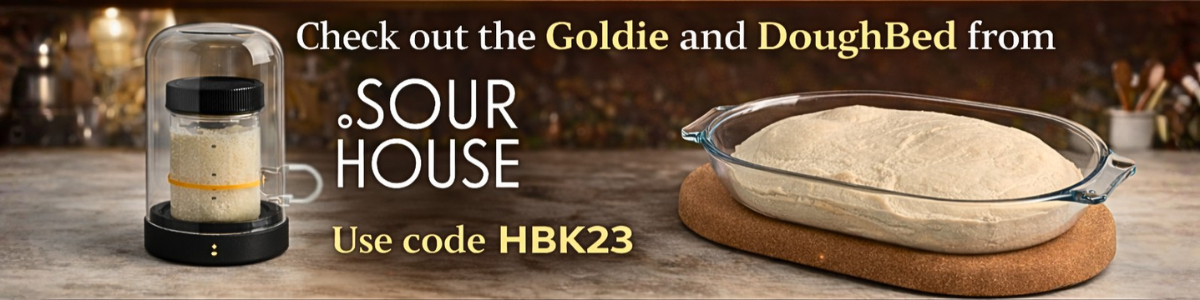
SourHouse Temperature Control Products
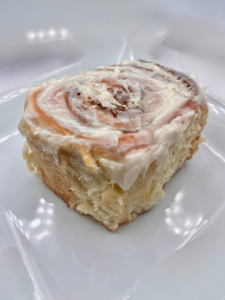
You Might Also Enjoy
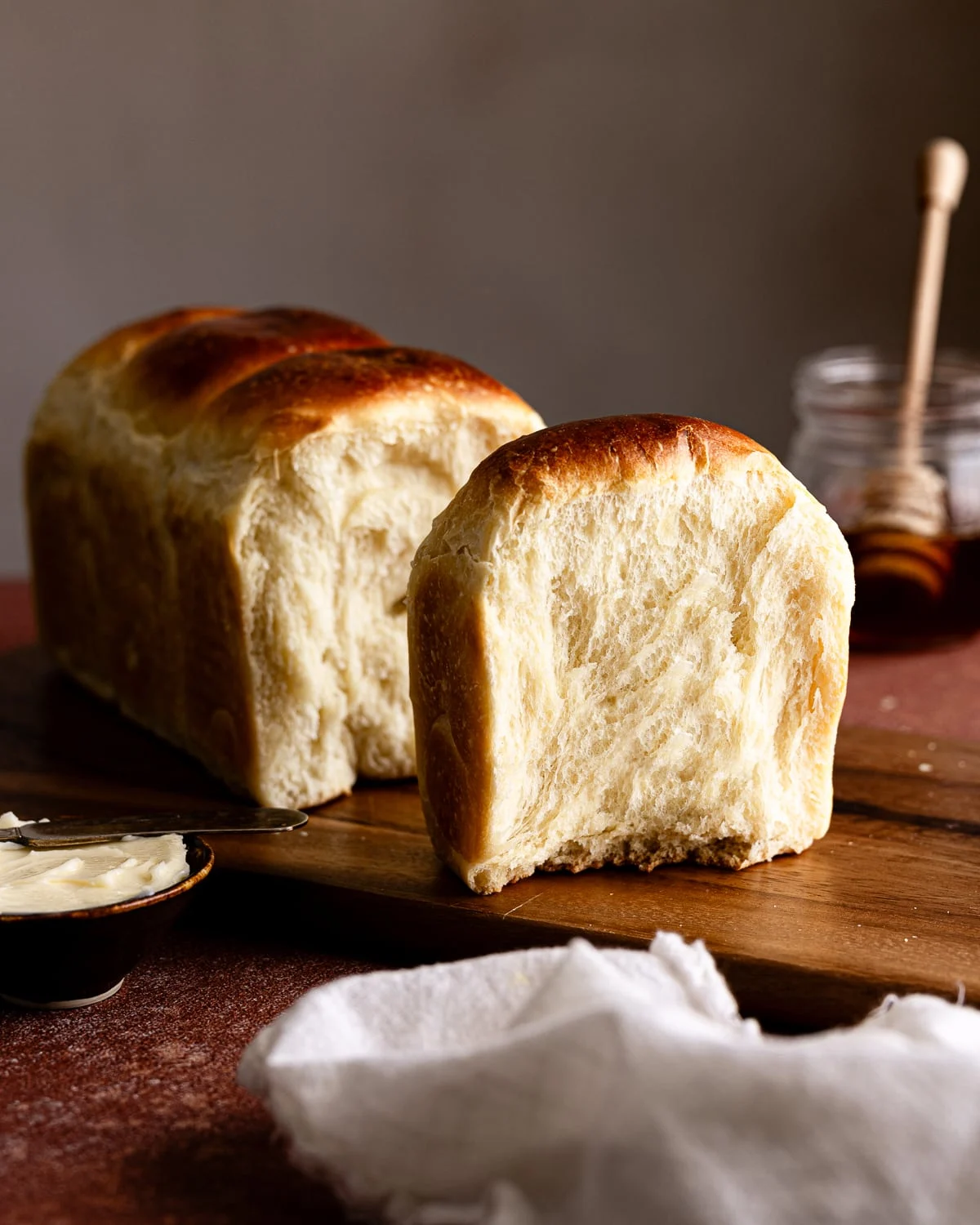
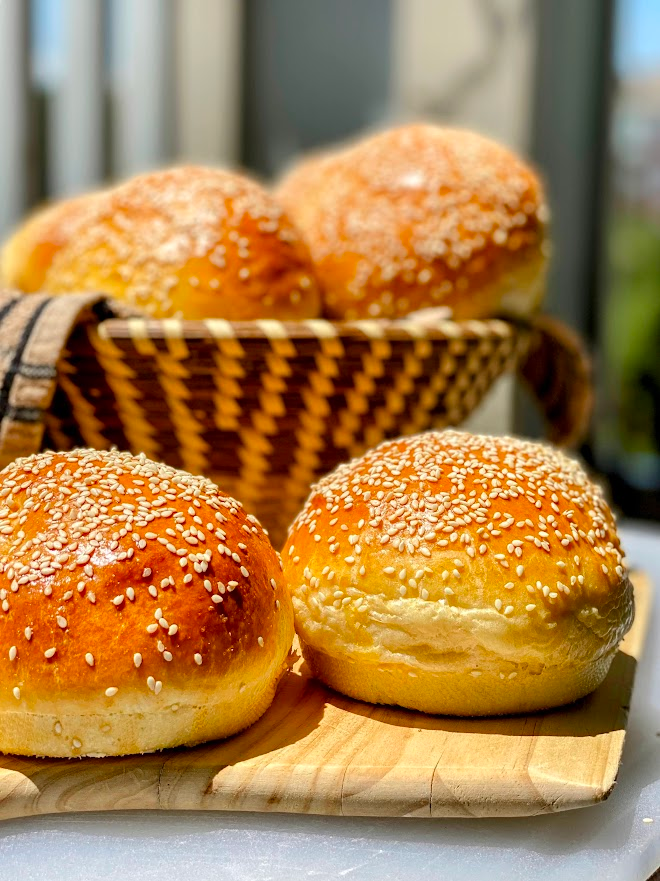
More recipes from our pantry that pair well with this bake.
Get More Recipes in Your Inbox
Join thousands of home bakers receiving weekly recipes, tips, and techniques to elevate your bread game.
No spam, ever. Unsubscribe anytime.
More from Baking Great Bread at Home
Tools, resources, and community to help you bake better bread

Crust & Crumb Academy
Go deeper into your craft. FREE courses, challenges, and real feedback. No gatekeeping. Perfection is not required.
Sourdough Starter Companion
Your AI-powered starter assistant. Track feedings, troubleshoot issues, and keep your starter thriving.

BakingGreatBread.com
Real bread for the rest of us

Baking Great Bread Blog
Recipes, tips, and stories from the bread journey
Recipe Converter
Convert sourdough recipes to yeast and back again
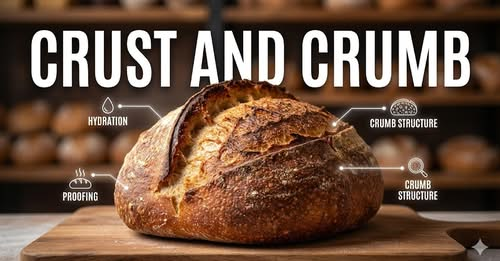
Crust & Crumb App
Your AI-powered baking assistant

Facebook Community
Join 50,000+ bakers sharing, learning, and supporting each other
Sourdough for the Rest of Us
Free beginner's guide to sourdough